Biophotonic Optical Neurodiagnostic System
Passive reading of biophotonic eye emission for brain activity monitoring without direct intervention
About the project
The Biophotonic Optical Neurodiagnostic System is an innovative contactless neurodiagnostic technology designed for passive reading of biophotonic eye emission to monitor brain activity without direct intervention. The system serves as a neurodiagnostic module within the ASRP.drift platform.Our mission
To create a non-invasive method of brain activity monitoring through passive biophotonic emission reading. We aim to develop technology that provides accurate and continuous neural activity monitoring without direct patient contact, opening new possibilities in neurodiagnostics and neural interfaces.Patent
The Biophotonic Optical Neurodiagnostic System is officially registered at Kazpatent (Application No.: KZ 2025/1097.1, IPC: A61N — Medical Devices). Filing date: 08.11.2025. Formal examination completed (18.03.2026), substantive examination is currently in progress. Patent grant decision expected in Q4 2027.Technology and innovation
The Biophotonic Optical Neurodiagnostic System is based on the principle of passive reading of biophotonic emissions naturally produced by eye cells. This emission carries information about current brain activity and can be used for non-invasive monitoring of neural processes.
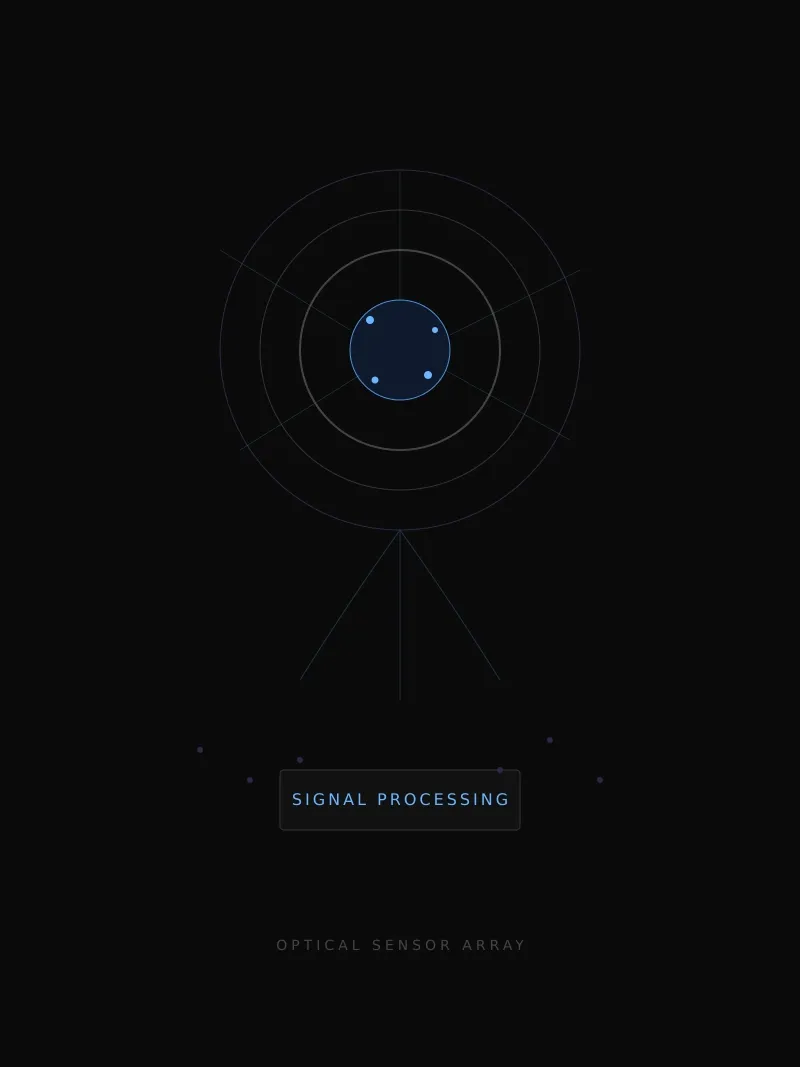
The system uses highly sensitive optical sensors to detect ultra-weak photons emitted by biological eye tissues. Signals are processed using machine learning algorithms that convert optical data into brain activity indicators, providing continuous monitoring without physical contact.
The technology is integrated into the ASRP.drift platform — a neurointegration system combining EEG monitoring, dream synchronization, and AI prediction methods for comprehensive cognitive state analysis.
System concept
The biophotonic system is a contactless neurodiagnostic module operating on the principle of registering natural biophotonic eye emission. Unlike traditional methods requiring physical skin contact or implanted sensors, our technology enables remote brain activity data acquisition.
The optical system captures ultra-weak photons emitted by retinal cells and other eye structures. These photons carry information about metabolic and electrical processes in the brain, as the visual system is directly connected to neural networks.
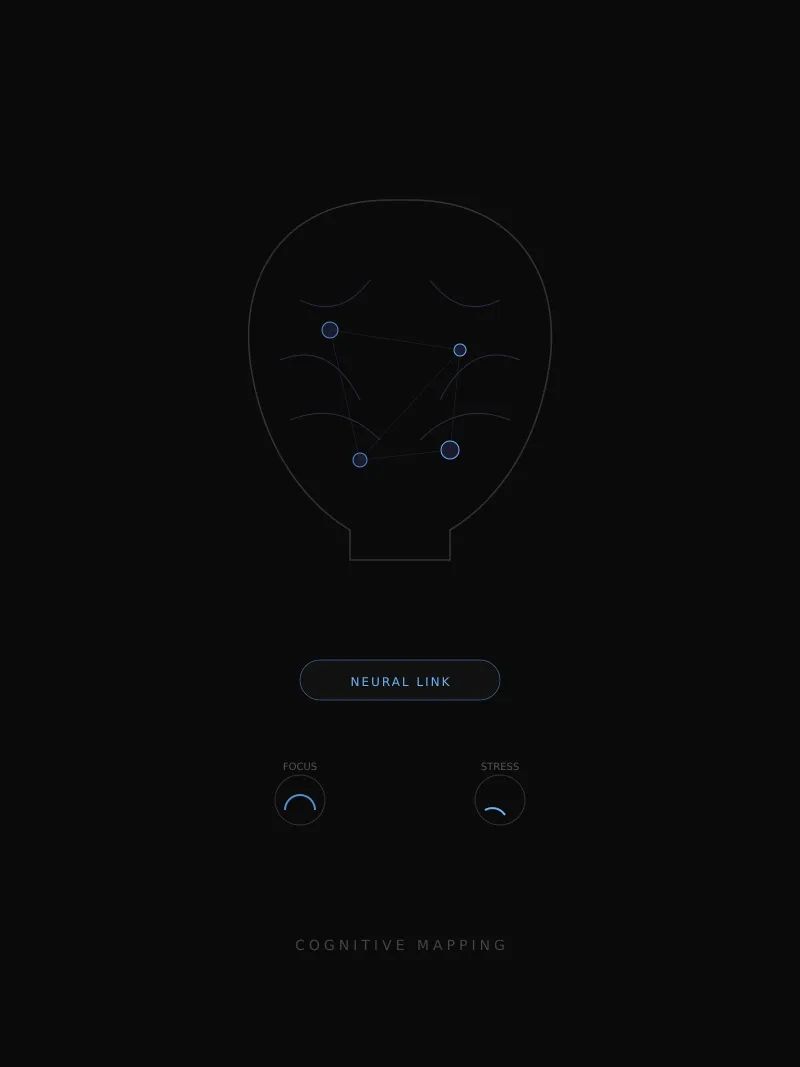
Collected data is processed by AI algorithms that identify activity patterns, recognize cognitive states, and generate analytical reports in real time. The system can be used for monitoring stress, concentration, sleep quality, and other neurophysiological parameters.
Development prospects
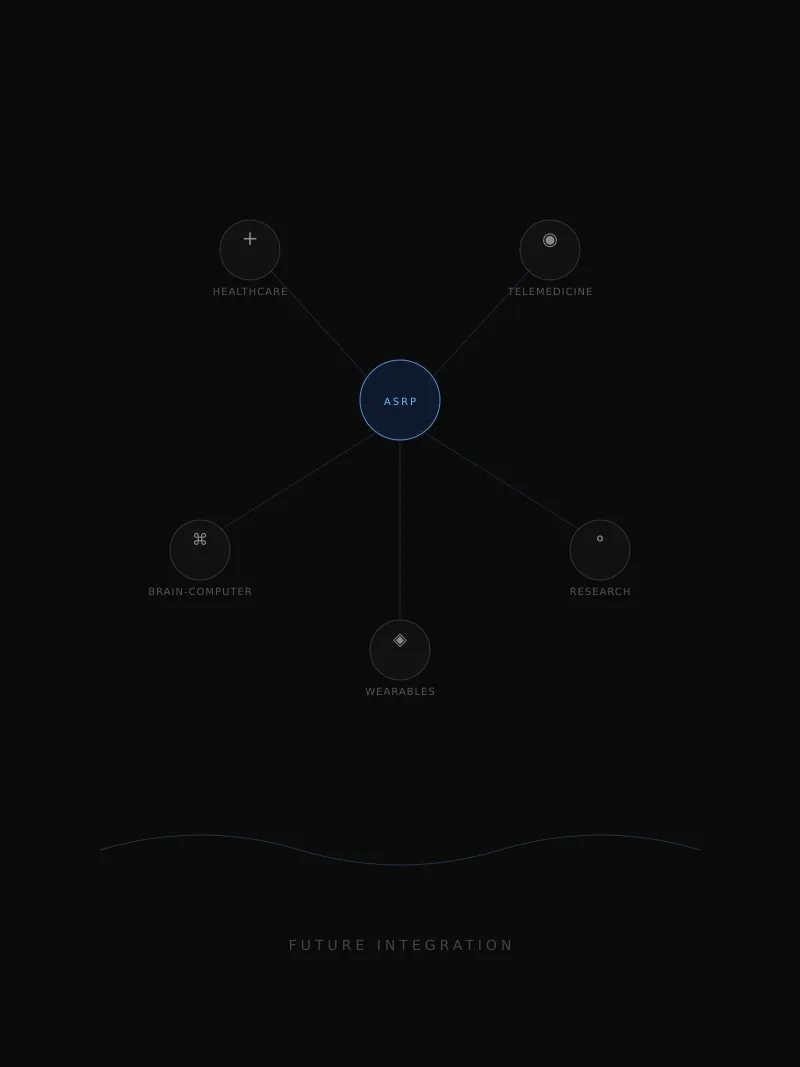
In the long term, the Biophotonic Optical Neurodiagnostic System aims to integrate with healthcare systems, research centers, and telemedicine platforms.
The platform can become a standard for non-invasive neuromonitoring, applied in clinical diagnostics, rehabilitation, scientific research, and daily cognitive state monitoring. Additionally, AI forecasting models are planned to predict neurological disease risks at early stages.
Further functionality expansion includes integration with brain-computer interfaces, wearable devices, and neurointegration platforms, forming a fully adaptive real-time brain activity monitoring system.
Project Curators
Meet the experts leading our project to success



Contact our team
Send us a note to get the conversation started