HYPERBOLIC FIELD AGRICULTURAL SYSTEMS
New infrastructure for biological growth systems
Technological Platform
HFAS uses controlled field environments of a new type — hyperbolically structured fields formed in specialized installationsBiomedical Fractal System Overview
A patented technology for informational management of biological processes based on reverse engineering of cells and hyperbolic field generators. Learn how HFS creates space-time structures in biological carriers to regulate cell division, metabolism, regeneration, and more.
Technology Core
HFAS is based on the creation of hyperbolically structured field environments — a special class of interactions in which the geometry of space becomes a controllable factor influencing the dynamics of biological processes.
Within the technological model, HFAS such fields are considered as a new type of scalar fields, the research of which is actively developing at the intersection of theoretical physics and applied engineering.
From a mathematical perspective, such systems can be described through extended geometry models (including generalizations of pseudo-Finsler spaces) and hypercomplex number structures, which allows accounting for nonlinear and anisotropic environmental effects.
Environmental Geometry Management
Expansion Modes
- → increasing the number of available system states
- → acceleration of growth and development
- → increasing the information capacity of the environment
Compression Modes
- → dynamics stabilization
- → increasing structural homogeneity
- → suppressing excessive dynamics
This can be interpreted as managing the local 'density of phase space', directly affecting the behavior of living systems. In applied interpretation, a change in the effective rate of biological processes is observed.
Scientific Integration
Core Directions
- biophysics
- epigenetics
- morphogenesis
- self-organization
Conceptual Models
- morphogenetic fields
- form fields
HFAS considers the field as a factor that sets the structure and evolution of the system. The field can act not only as a carrier of energy, but also as a carrier of structured information, transmitting influence between events in the system.
Applications
Plants
- acceleration of growth and development
- increased stress resistance
- management of morphological characteristics
- increased biomass density
Fungi and Mycology
- accelerated mycelium development
- increased fruiting body yield
- growth stabilization in controlled environments
Water and Nutrient Media
- water structuring
- increased bioavailability of substances
- optimization of hydroponic systems
Reproduction Management
One of the least discussed factors in the agroindustry is the degradation of seed material productivity from cycle to cycle.
Reuse of seeds or use of commercial second-generation hybrids leads to reduced yields and stability.
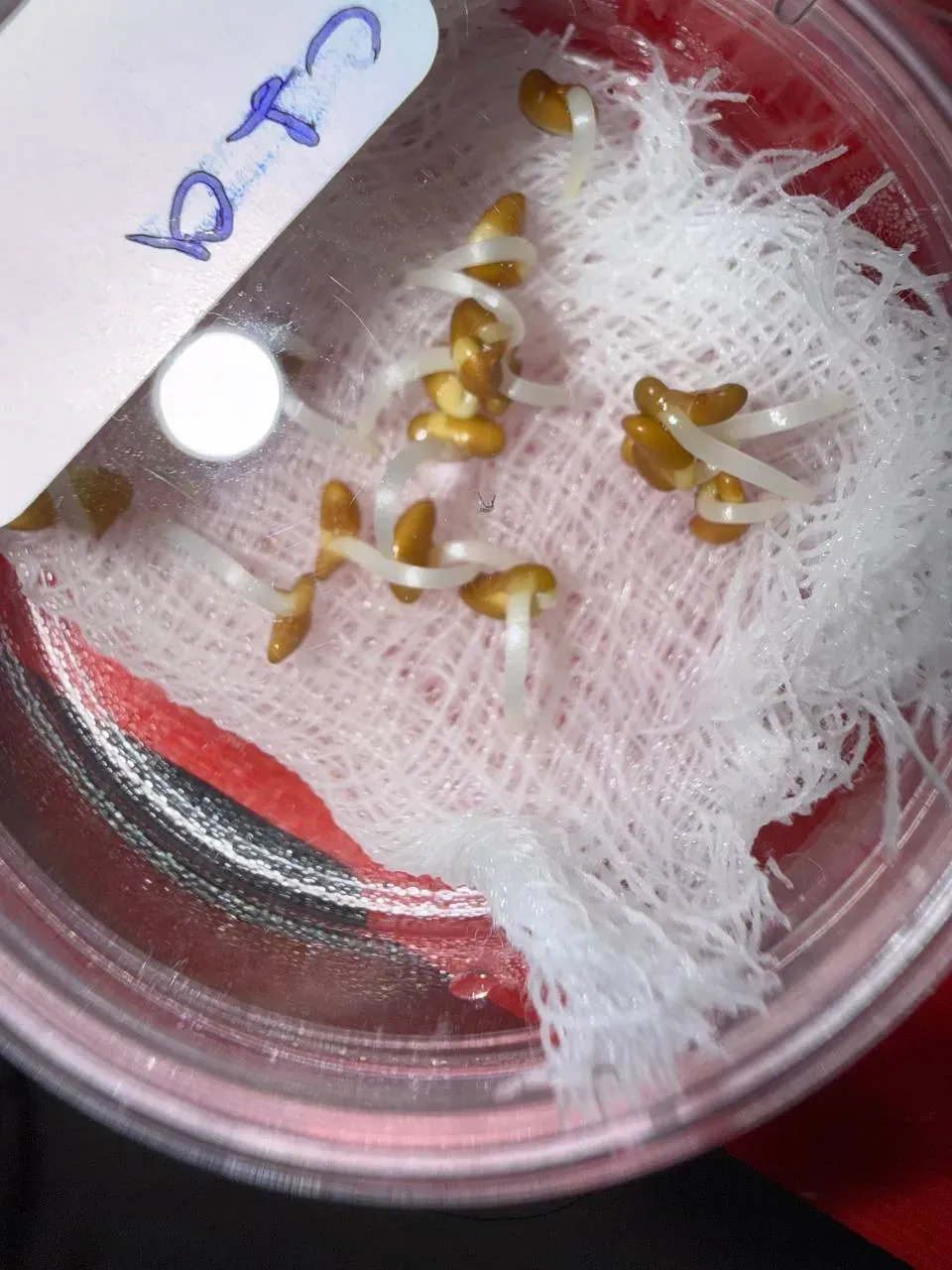
HFAS works at the level of growth formation conditions, restoring development coherence and increasing the realized potential of seeds. The technology allows partially compensating for seed material limitations and revealing its productivity closer to the theoretical maximum.
Water as an Environmental Carrier
HFAS affects not only plants, but also water as the main transport carrier. Water treatment leads to increased absorption efficiency, improved substance distribution, and enhanced plant response to nutrition. Water + seeds + conditions begin to work as a coordinated system, not a set of separate factors.
Expected Effects
| Parameter | Forecast |
|---|---|
| Growth | +15–40% |
| Germination Time | −20–50% |
| Biomass | +10–30% |
| Structure | complication |
In biomedical models, changes in environmental parameters can give double-digit percentages of process dynamics changes (10–20% and higher). Even conservative extrapolation to agricultural systems gives a measurable effect with moderate environmental changes.
Implementation Economics
HFAS does not replace current infrastructure — it enhances its efficiency.
Key Effects
- → yield growth without area expansion
- → reduced turnover time
- → reduced dependence on external factors
- → increased profitability
Strategic Importance
HFAS opens a transition from resource management to managing the conditions under which growth emerges. This changes the very model of agricultural production.
Integration
HFAS integrates into existing infrastructure:
- greenhouse complexes
- vertical farms
- laboratories and R&D centers
- hydroponic and aeroponic systems
The technology is designed as modular, integrable, and scalable from R&D to industrial level. Phased integration is possible without stopping production.
Patents & Registration
Fractal Biomedical System
This research is associated with patent KZ 2025/1095.1 (Fractal Biomedical System), currently under substantive examination. The emitter technology used in this study is part of the protected ASRP patent portfolio.
OSF preregistration is planned. All experimental protocols and hypotheses will be registered prior to data collection.
Related Studies
This research is part of the ASRP ecosystem, which includes several independent projects studying the effects of hyperbolic fields:
Research Gallery
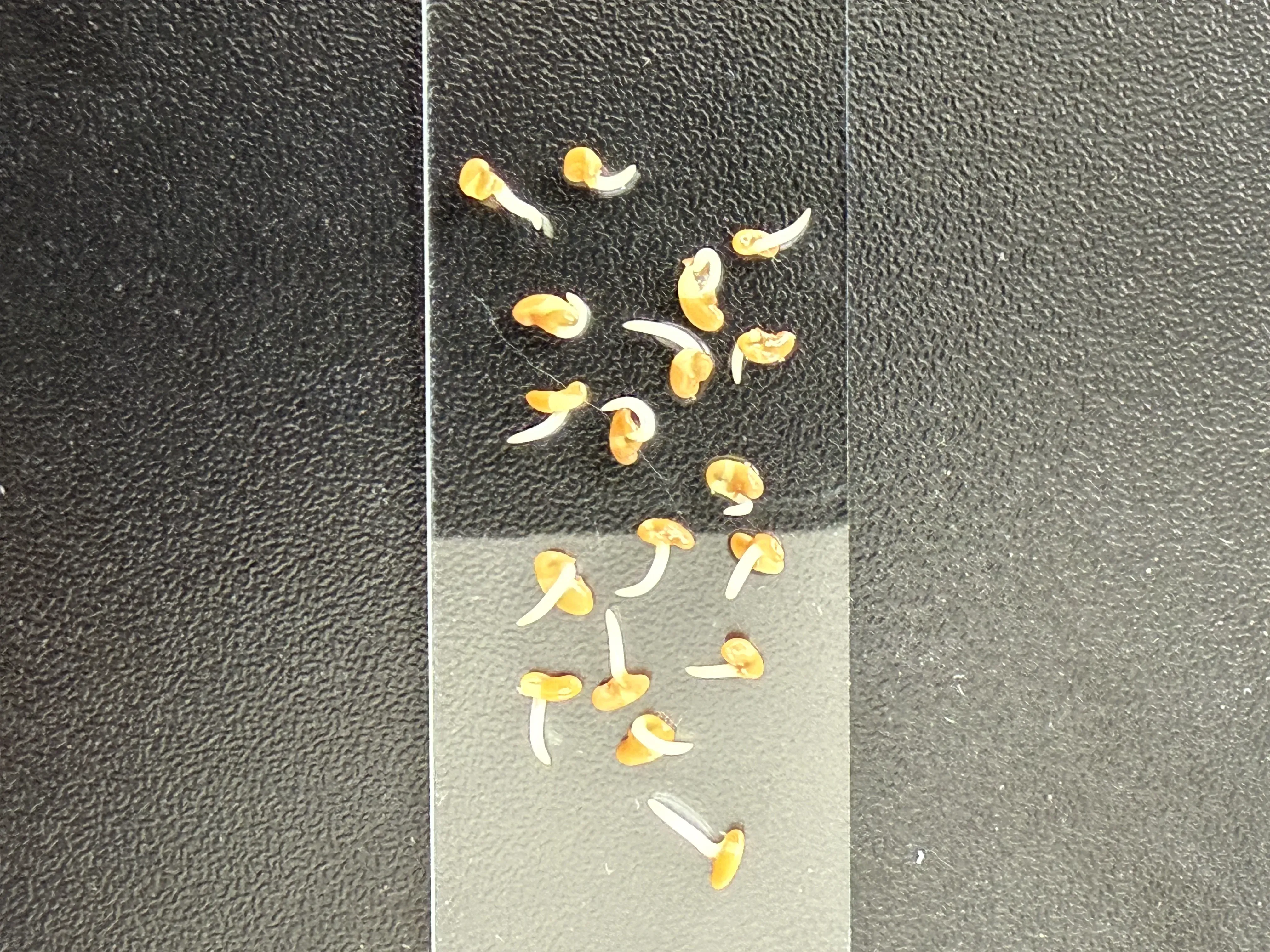
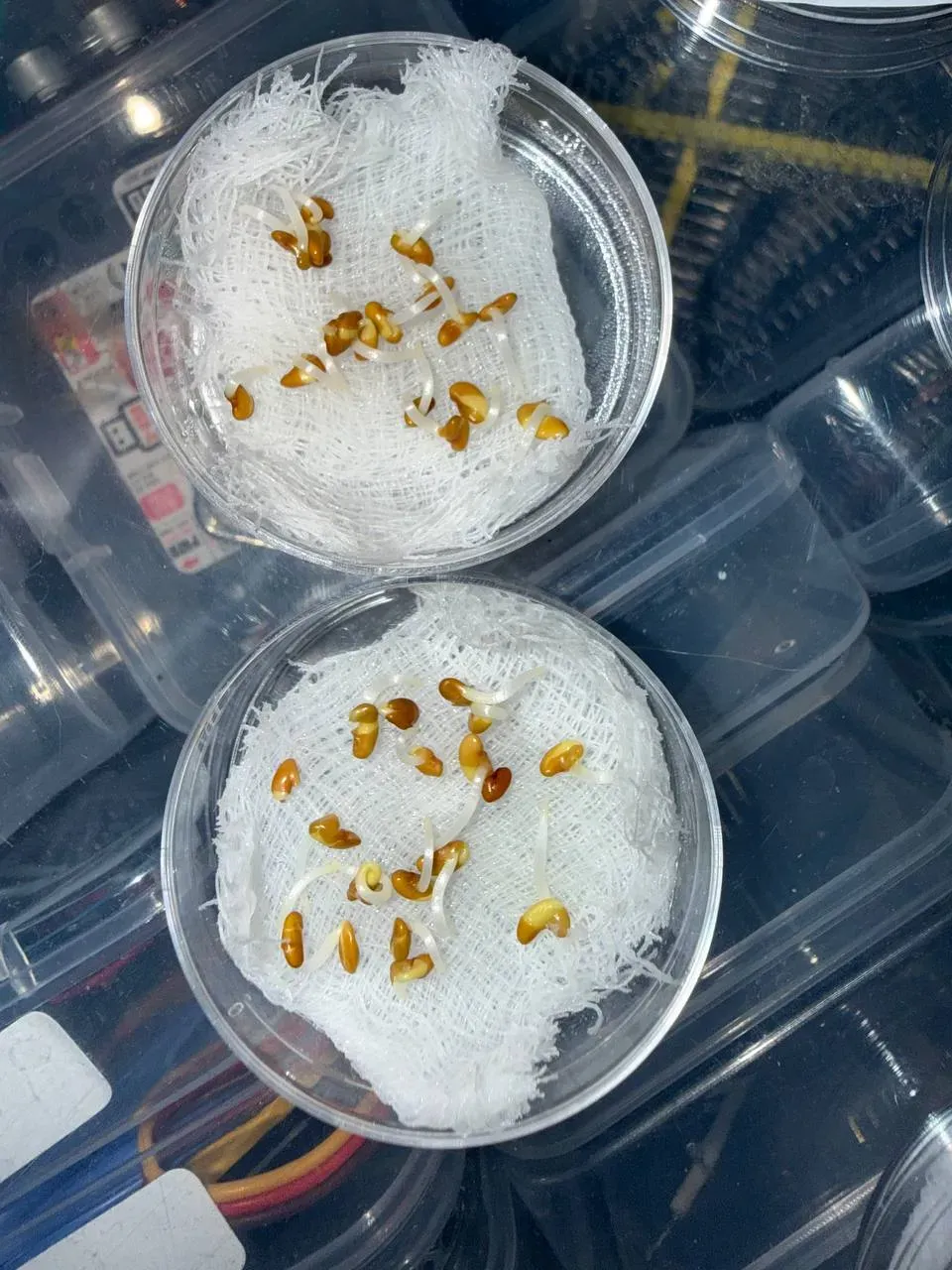
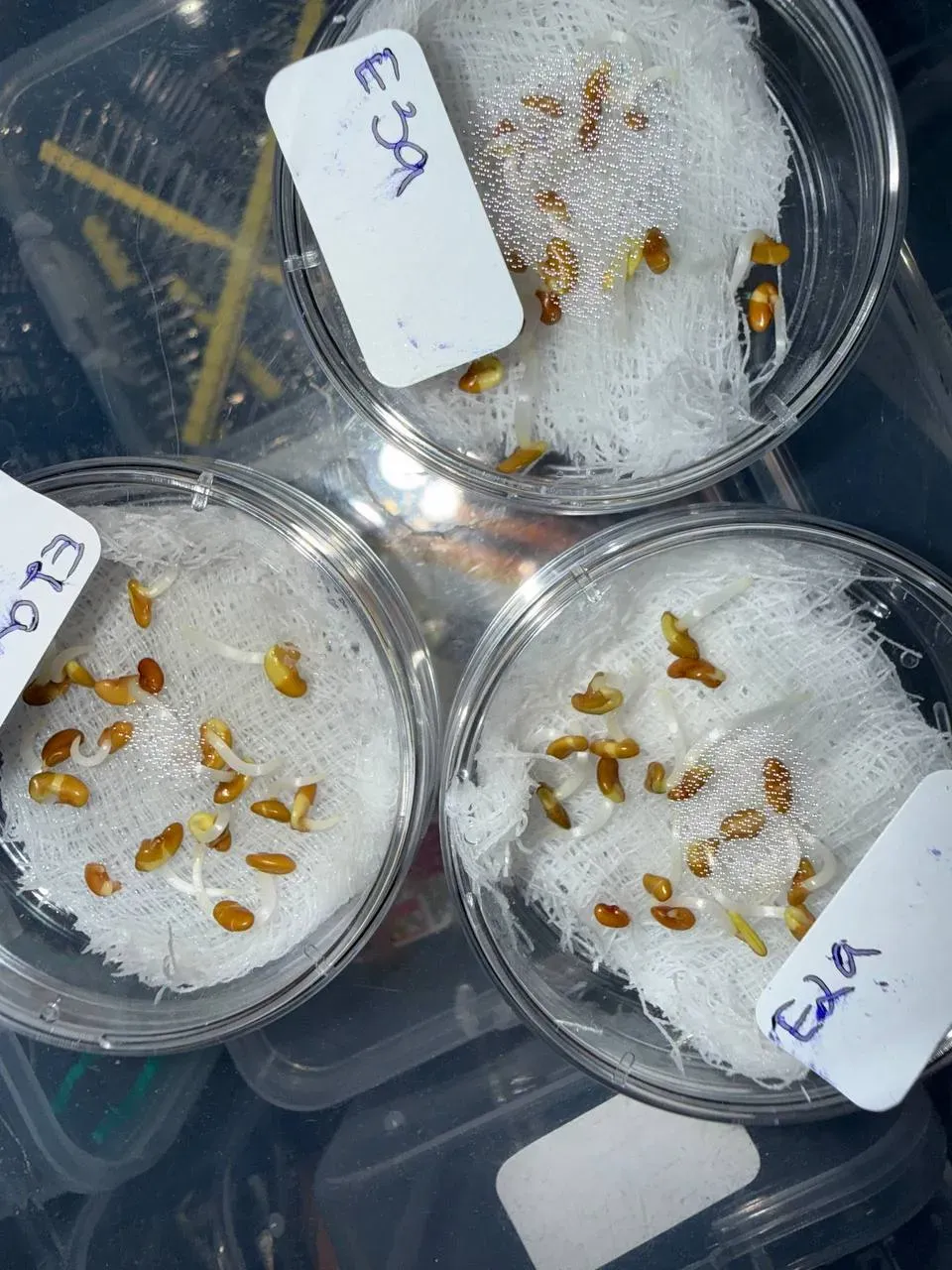
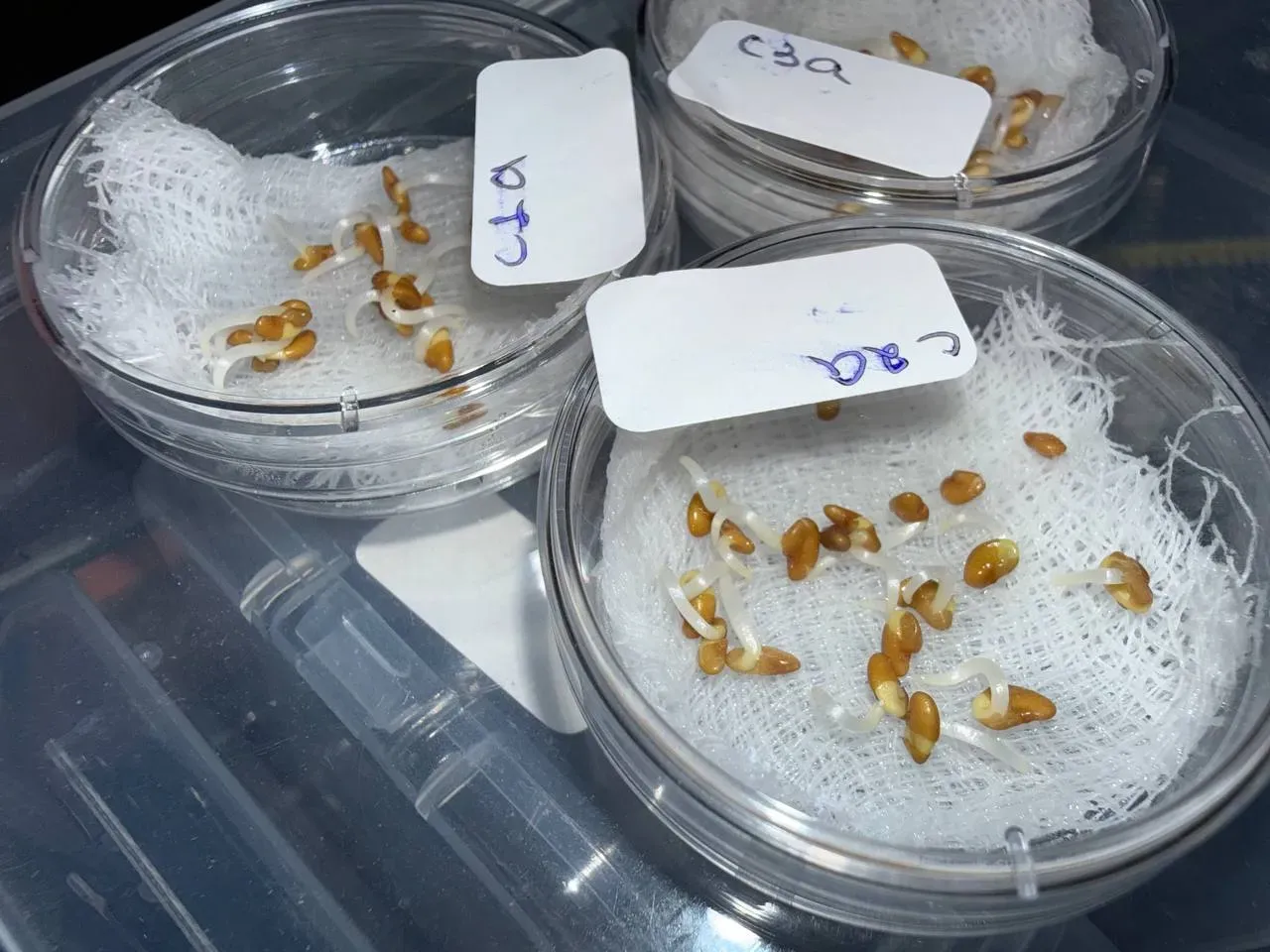
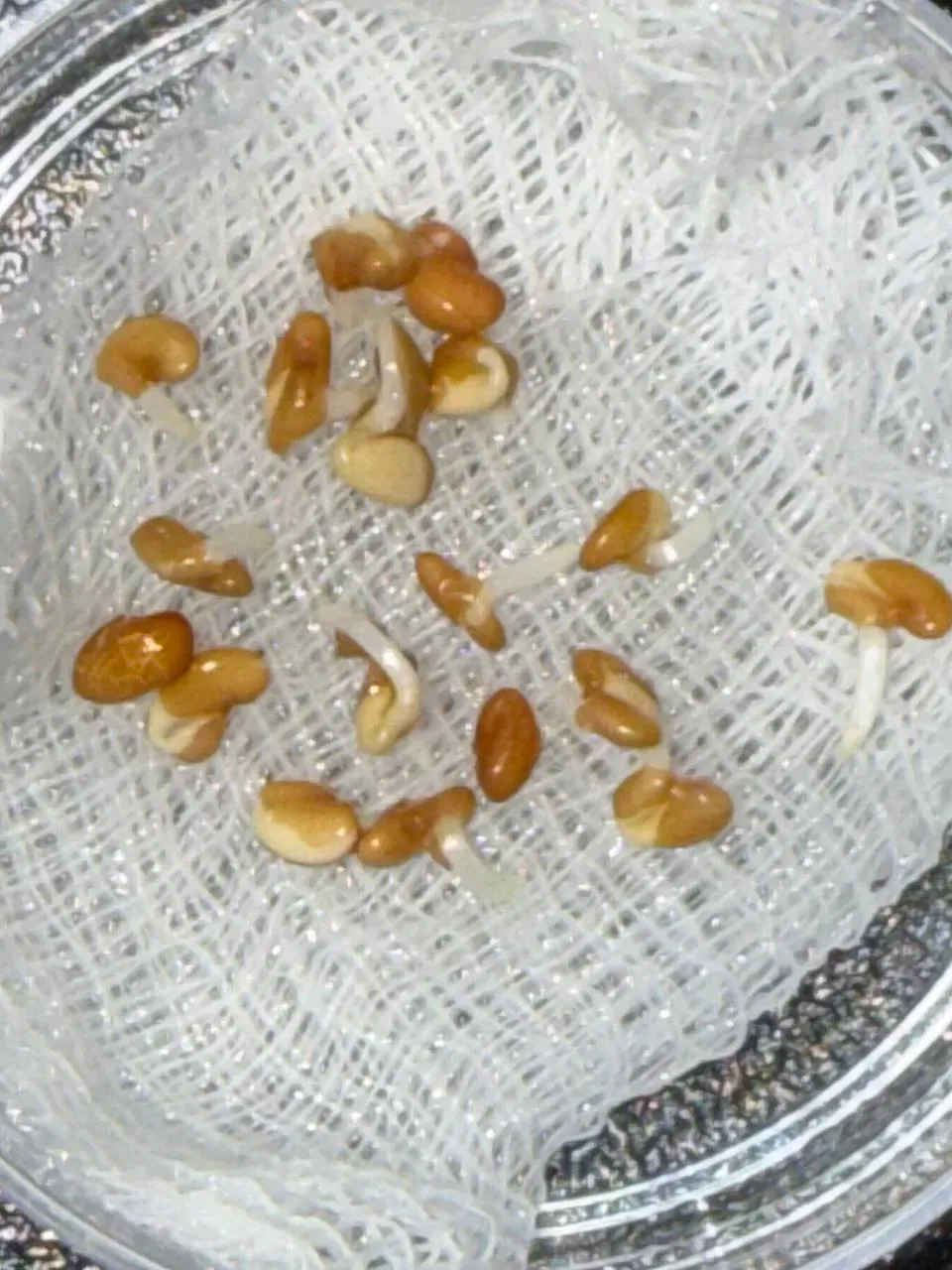
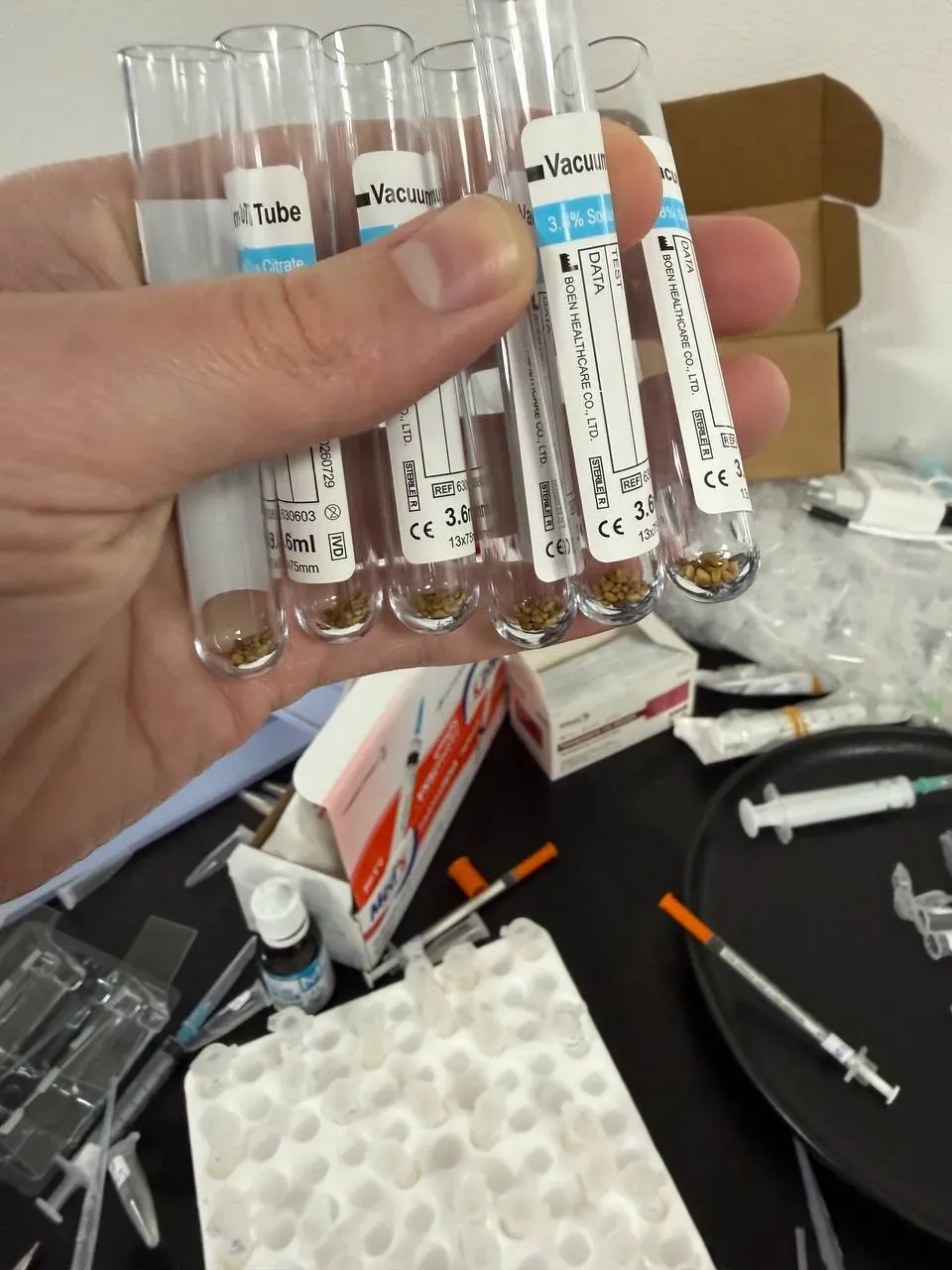
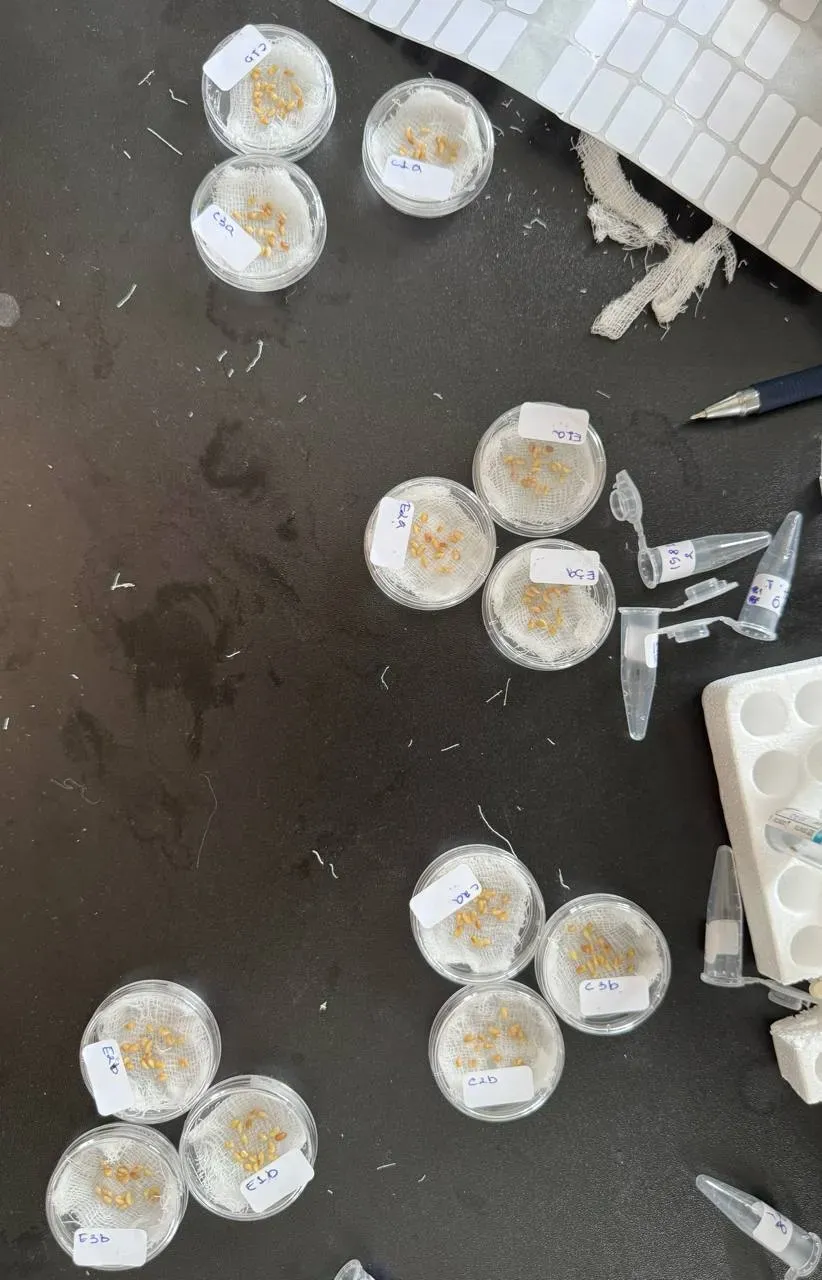
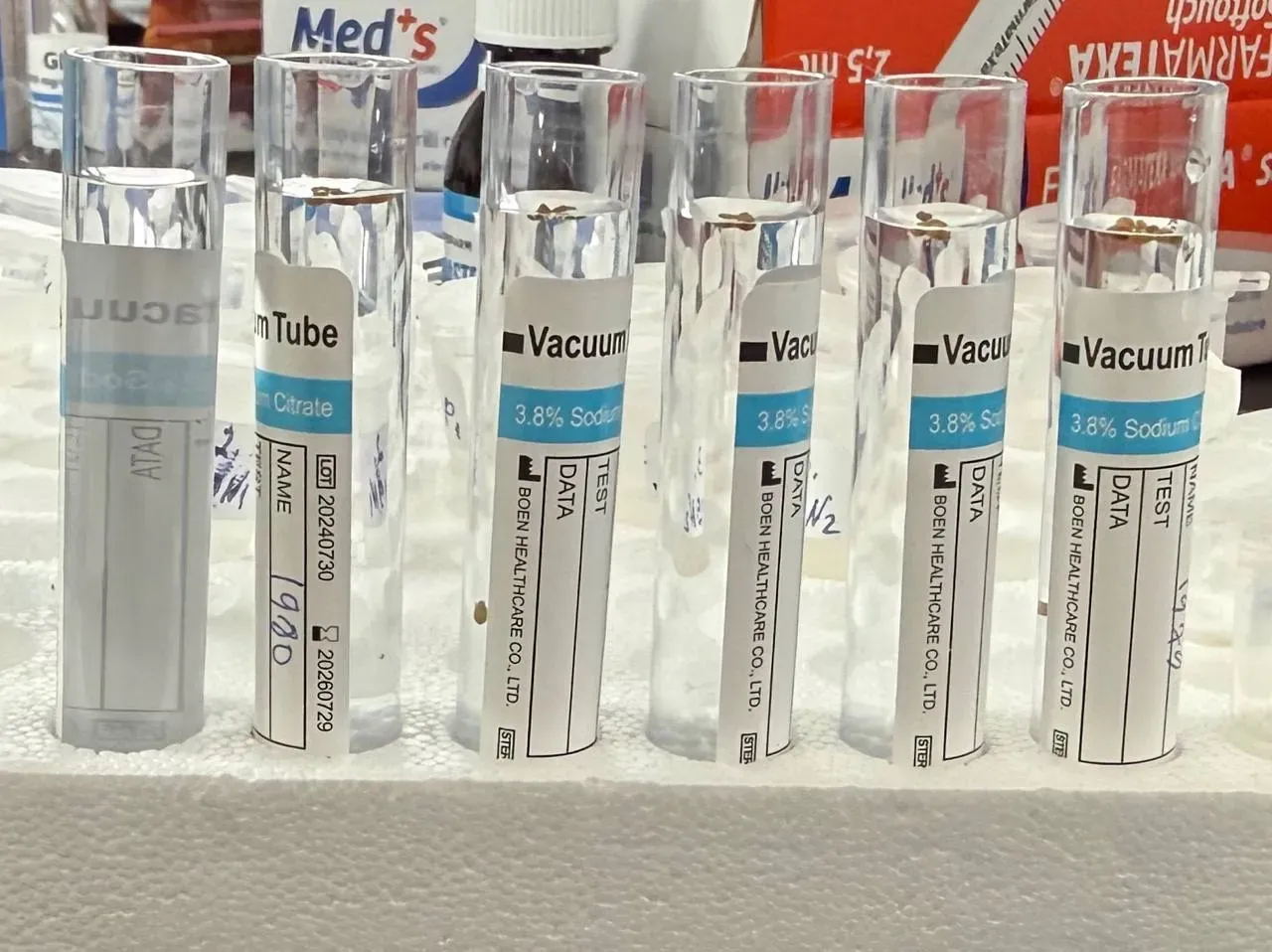
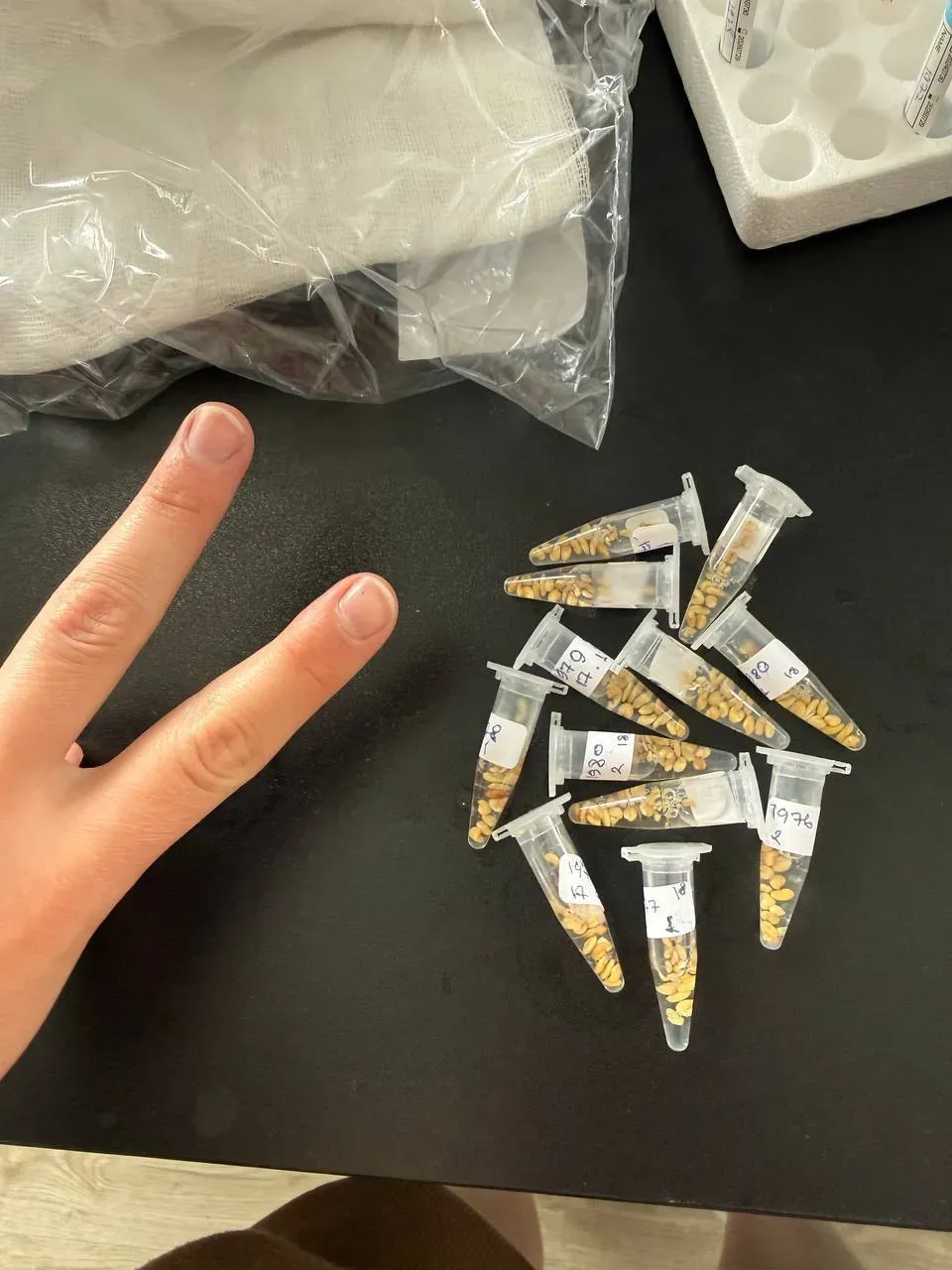
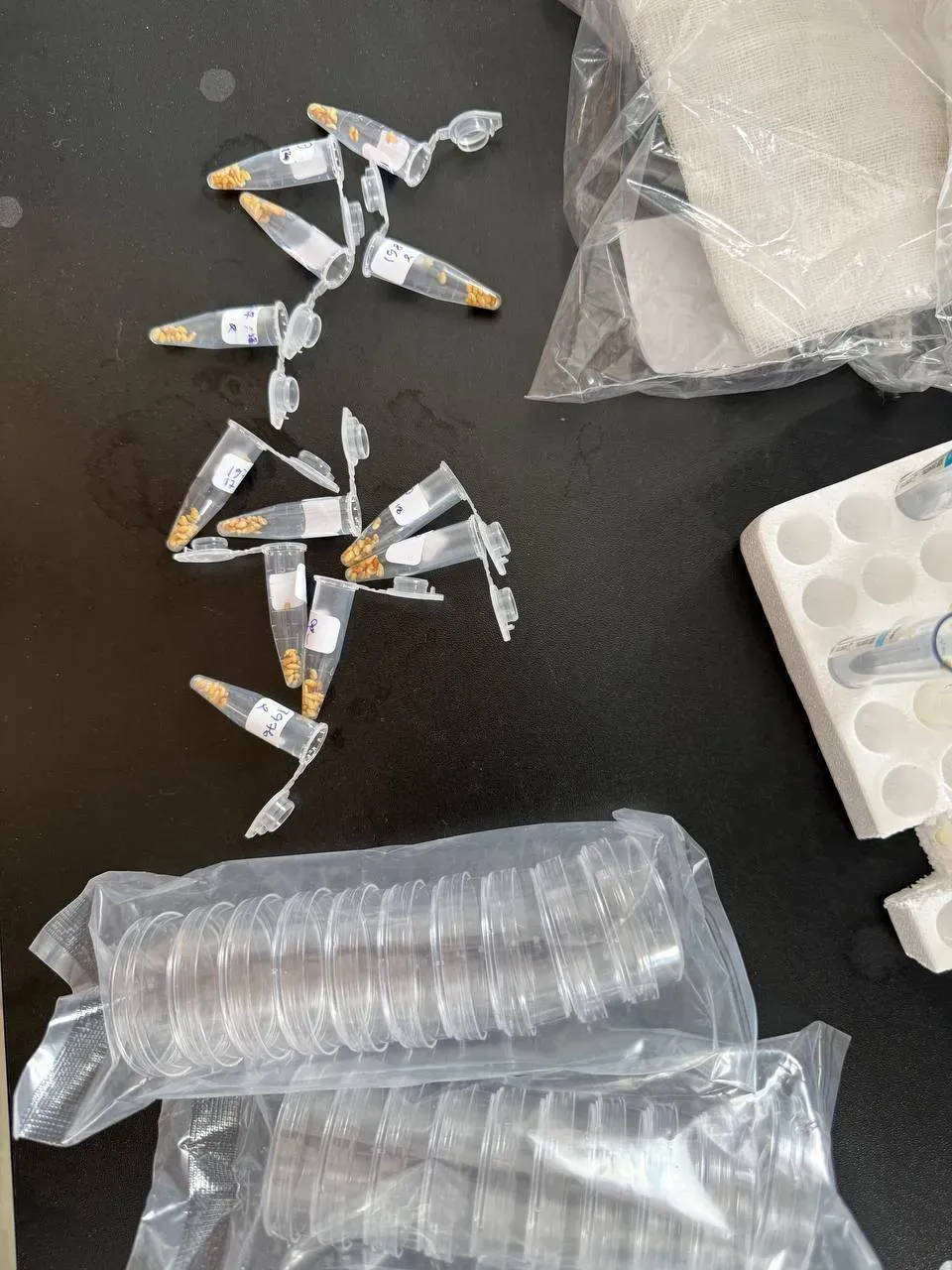
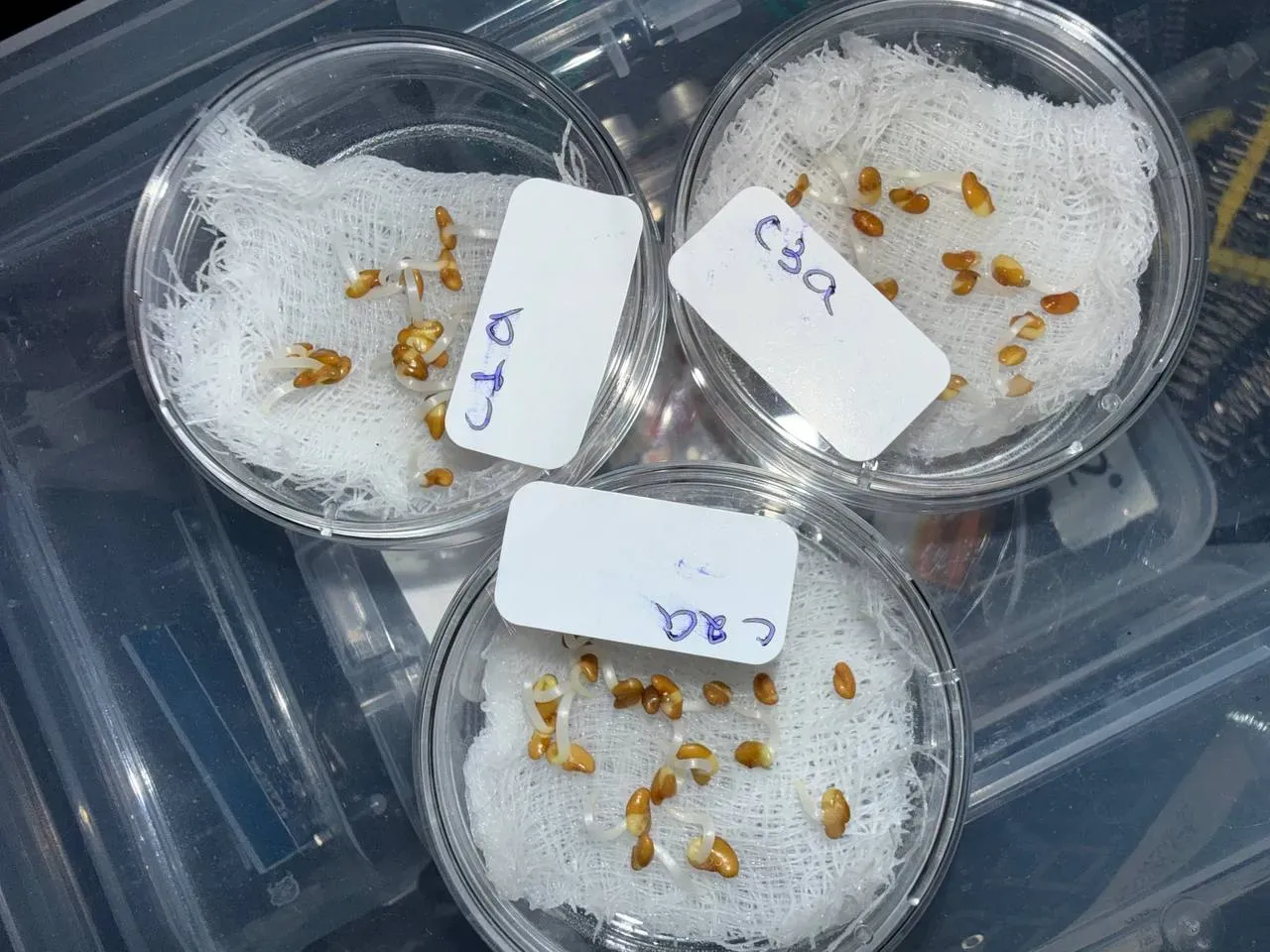
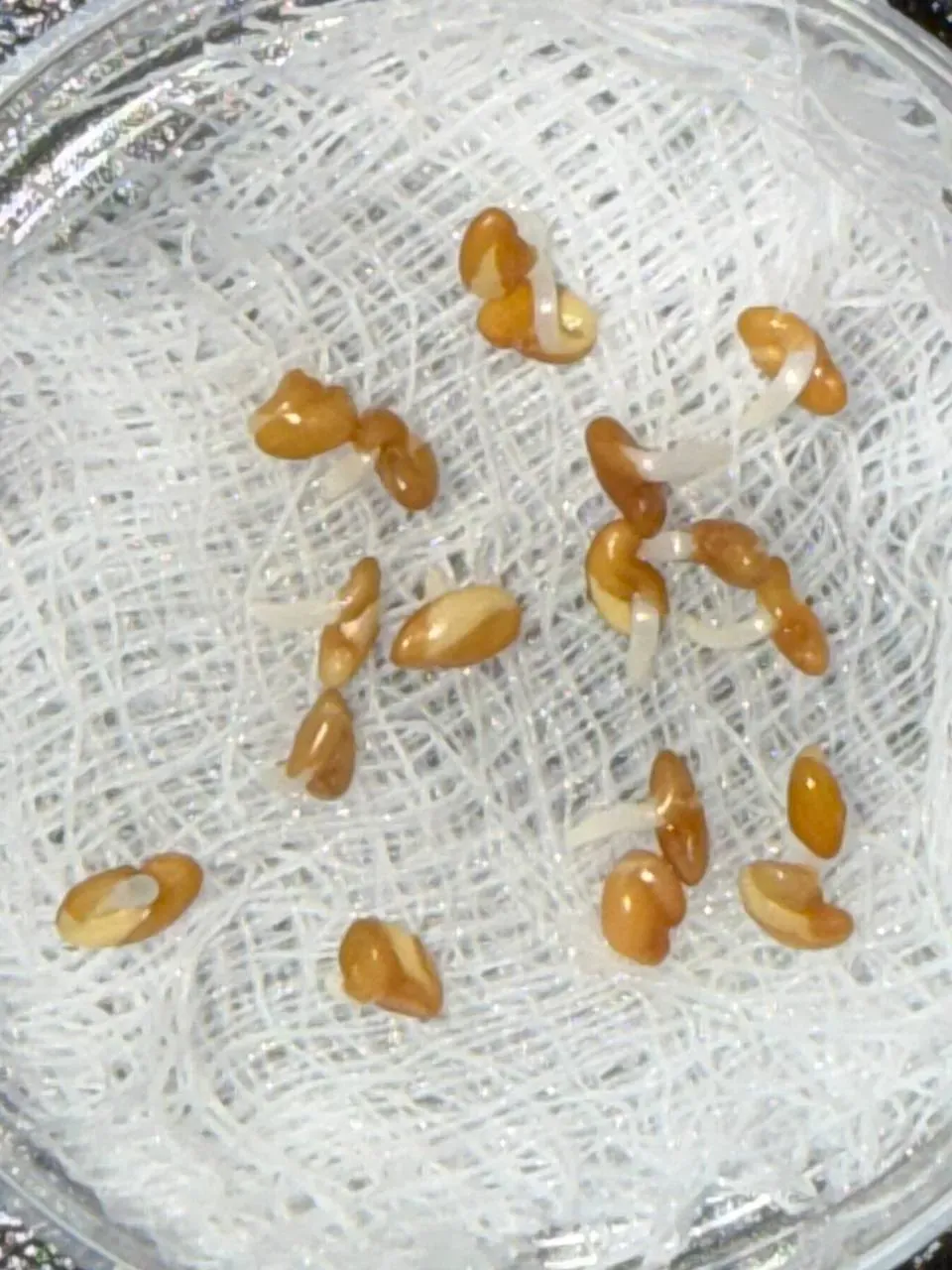
Visual materials from experiments: seed germination, plant growth monitoring, hydroponic setups, substrate comparison, and harvest results.

Research Team
An interdisciplinary group of specialists in agronomy, hyperbolic field physics, AI analysis, and experimental design.





Contact our team
Send us a note to get the conversation started