Blood Plasma Study
Statistically significant effects of hyperbolic field exposure on blood plasma coagulation, confirmed across 7 patients with p = 0.027.
Who We Are?
ASRP LLP, based in Baikonur, Kazakhstan, is a research organization specializing in hyperbolic field technologies and their biological applications. This study was conducted in collaboration with Olesya Chirkova of SASU Point Rouge (France), with a core team of Denis Banchenko (CEO), Valeria Ovsyannikova (CBO), and Mykhailo Kapustin (CTO).Our Mission
Our mission is to understand whether non-chemical field effects can meaningfully influence fundamental biological processes such as blood coagulation. By demonstrating reproducible, statistically significant modulation of clotting dynamics, we aim to advance a new class of non-pharmaceutical coagulation control. The study is preregistered on OSF (osf.io/8q42f, DOI: 10.17605/OSF.IO/GWA9E), ensuring full transparency.
Project Goal
The goal is to establish reproducible, peer-reviewable evidence that hyperbolic field exposure can modulate blood coagulation in a channel-specific manner. Success means achieving statistical significance (target p < 0.05) across multiple patients and building a foundation for future clinical applications in non-pharmaceutical coagulation control.
Biomedical Fractal System Overview
A patented technology for informational management of biological processes based on reverse engineering of cells and hyperbolic field generators. Learn how HFS creates space-time structures in biological carriers to regulate cell division, metabolism, regeneration, and more.
Key Findings
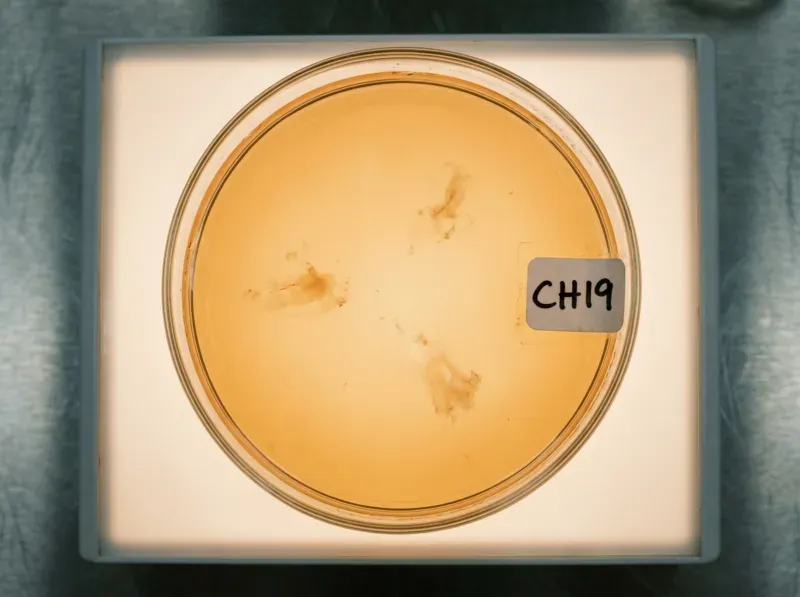
Channel 19 — Accelerated Lifecycle:
Description:
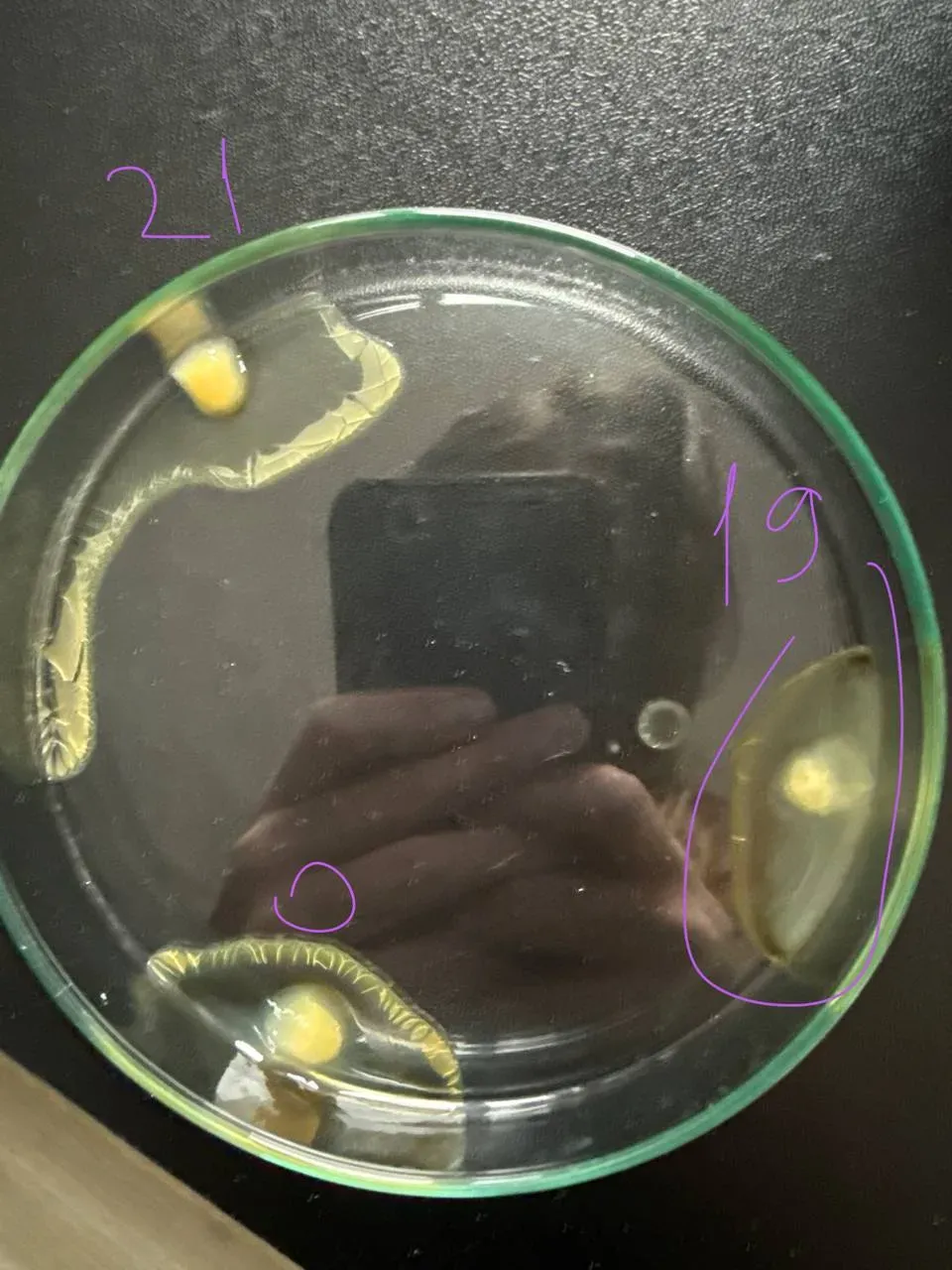
Channel 19 produced 37% fewer clots and 42% smaller clot area compared to control samples. It was the only channel to trigger lysis — the dissolution of clots — causing samples to behave as though they had aged. This accelerated coagulation lifecycle points to a mechanism that could fast-track natural clot resolution without pharmaceutical intervention.
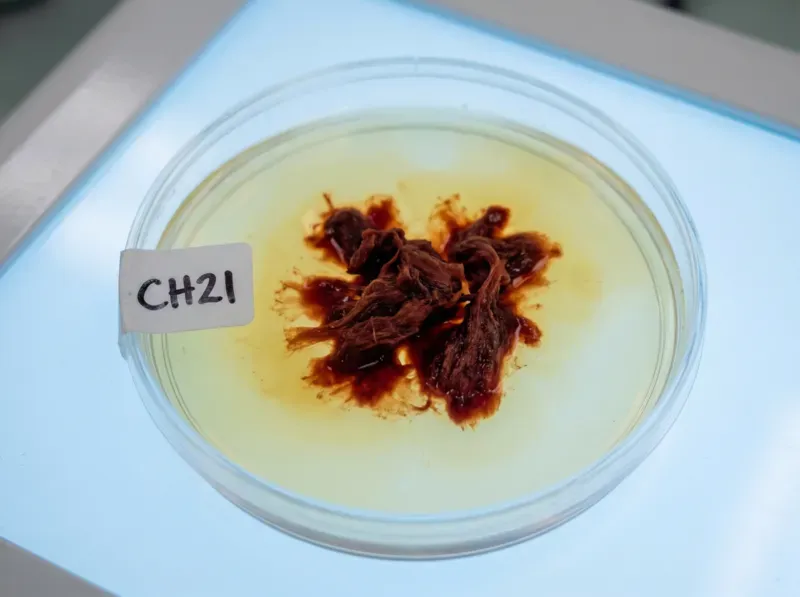
Channel 21 — Delayed Coagulation:
Description:
Channel 21 reduced clot formation to 41% versus 65% in untreated controls, while producing notably dense clot structures. Samples appeared biologically younger, suggesting a delayed onset of the coagulation cascade. This channel demonstrates the potential to slow clotting processes through non-chemical, field-based methods.
Applications & Intellectual Property:
Description:
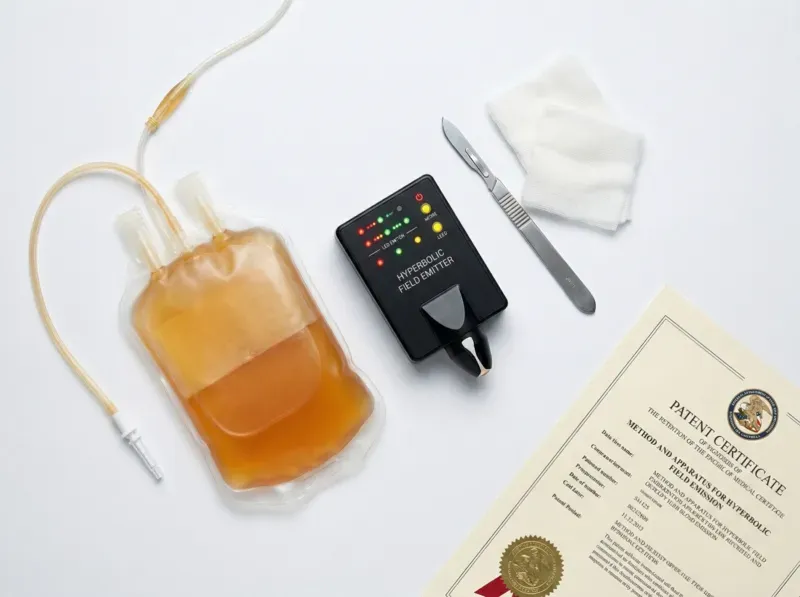
The ability to accelerate or delay coagulation without drugs opens significant commercial opportunities in wound management, blood storage optimization, surgical preparation, and novel anticoagulation therapies. The underlying technology is protected by patent KZ 2025/1095.1 (Fractal Biomedical System), registered on 14.03.2025.
Research Methodology
Research Methodology
- Blood draw (4 tubes per donor)
- Centrifugation (2000 rpm, 5 minutes)
- Plasma separation by exposure channel
- Hyperbolic field irradiation (~1h 12min per patient)
- 4K time-lapse photography (1 frame every 5 min, 24–48h)
- AI/ML analysis (8 models: Gemini, Claude, GPT, DINOv2, etc.)
- Statistical processing (ANOVA, t-tests)
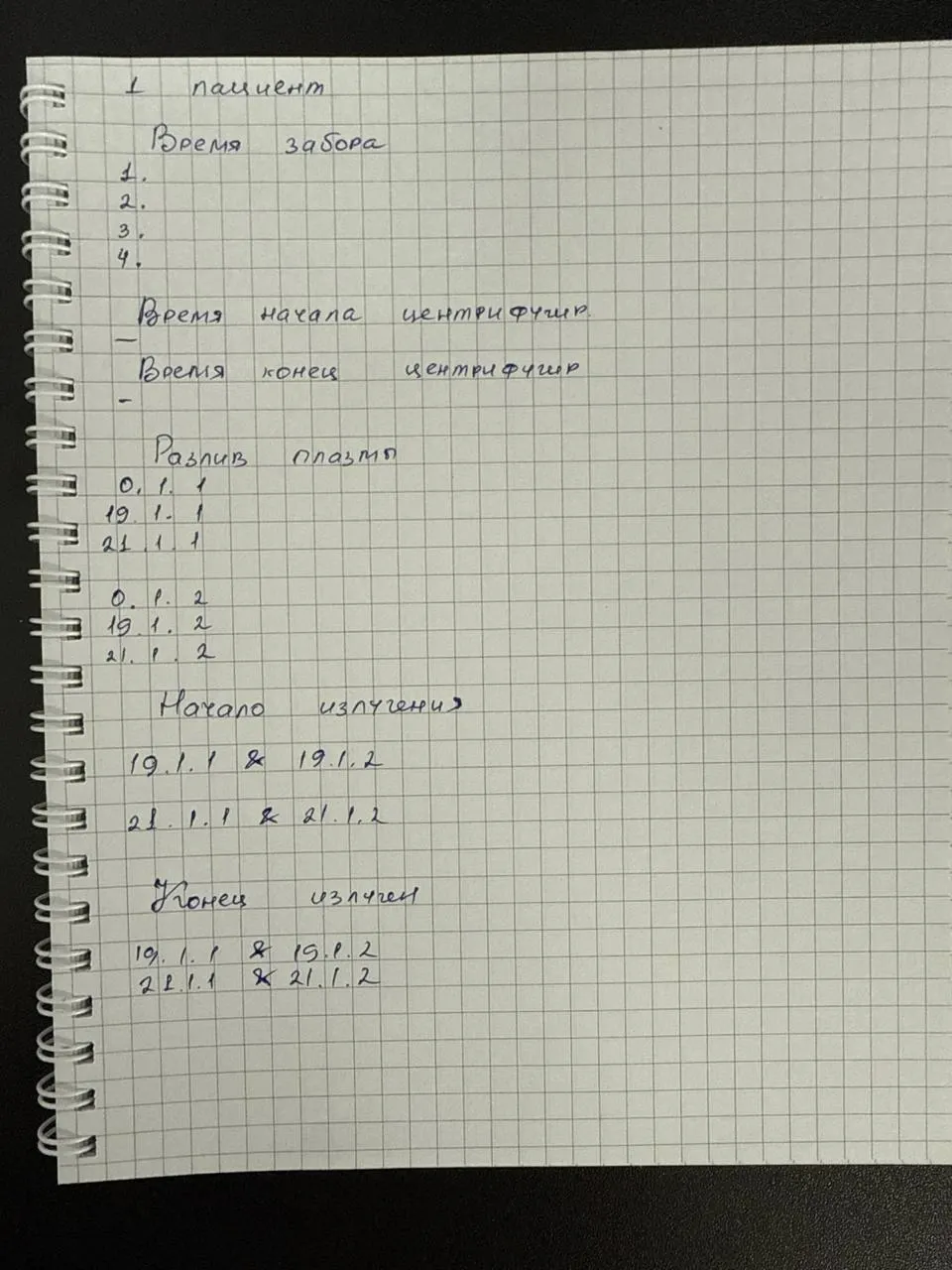
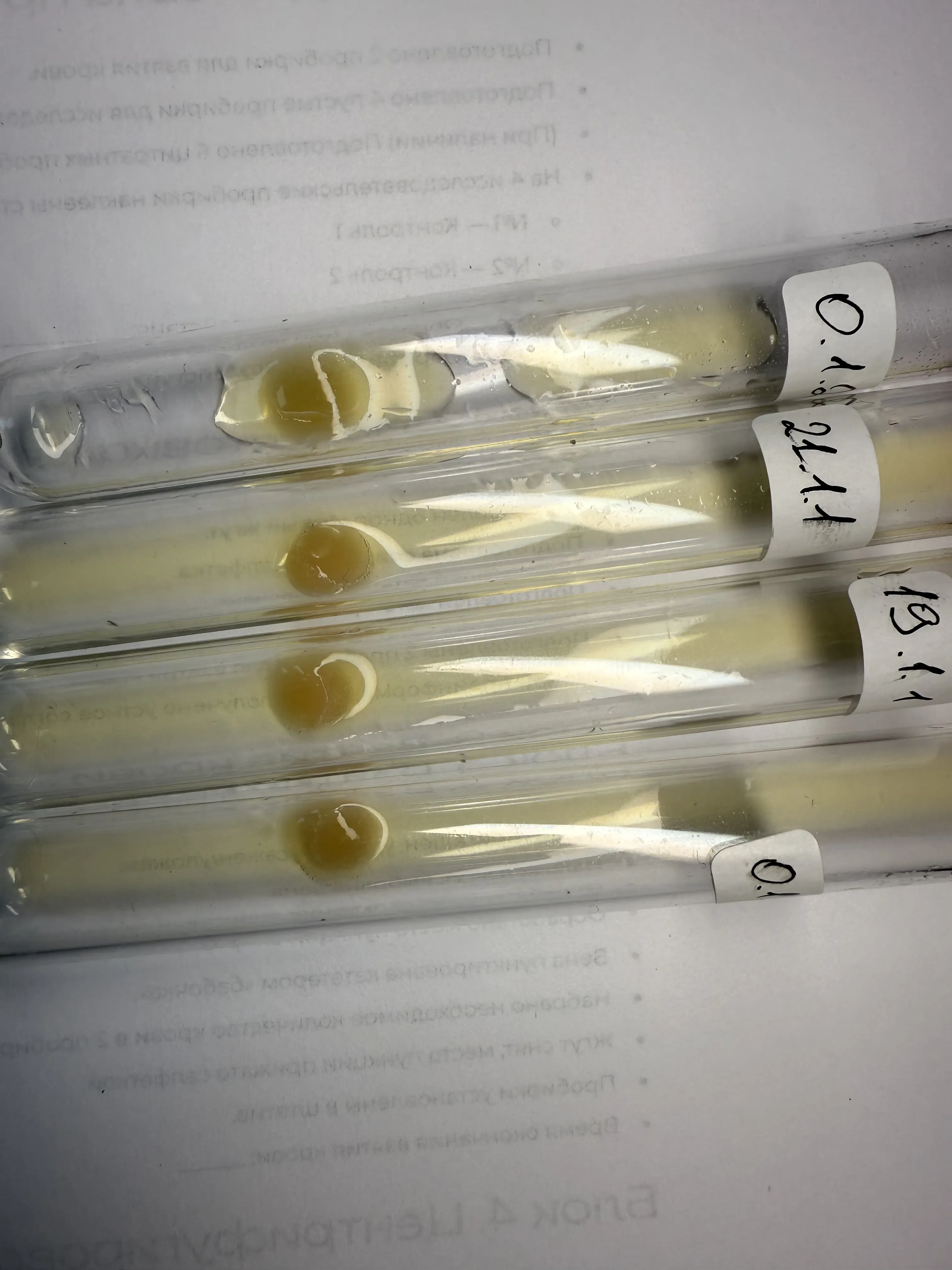
7 donors, 101 photos, 40+ single-channel samples. Sample ID format: channel.patient.number. Coagulation scale: none → early_fibrin → partial_clot → full_coagulation → lysis. Ambient temperature: constant 17°C.
Statistical Significance
Multiple AI architectures show 46–58% classification accuracy against 33% random guessing — indicating a reproducible signal rather than chance.
- Gemini 2.5 Flash: 57.9% accuracy, p = 0.027 (statistically significant)
- DINOv2: 47.4%, p = 0.15
- GPT-5 / Perplexity: ~46.7–53.3% (consistent results)
Patent & OSF Registration
Fractal Biomedical System
The technology used in the blood plasma study is protected by a patent on the Fractal Biomedical System of Hyperbolic Fields. The study is preregistered on the Open Science Framework (OSF Preregistration), ensuring full transparency and reproducibility of results.
OSF: osf.io/8q42f — The study is registered on the Open Science Framework
Related Research
The blood plasma study is connected to other ASRP projects through shared hyperbolic field technologies and multi-pipeline analysis methods.
Research Gallery
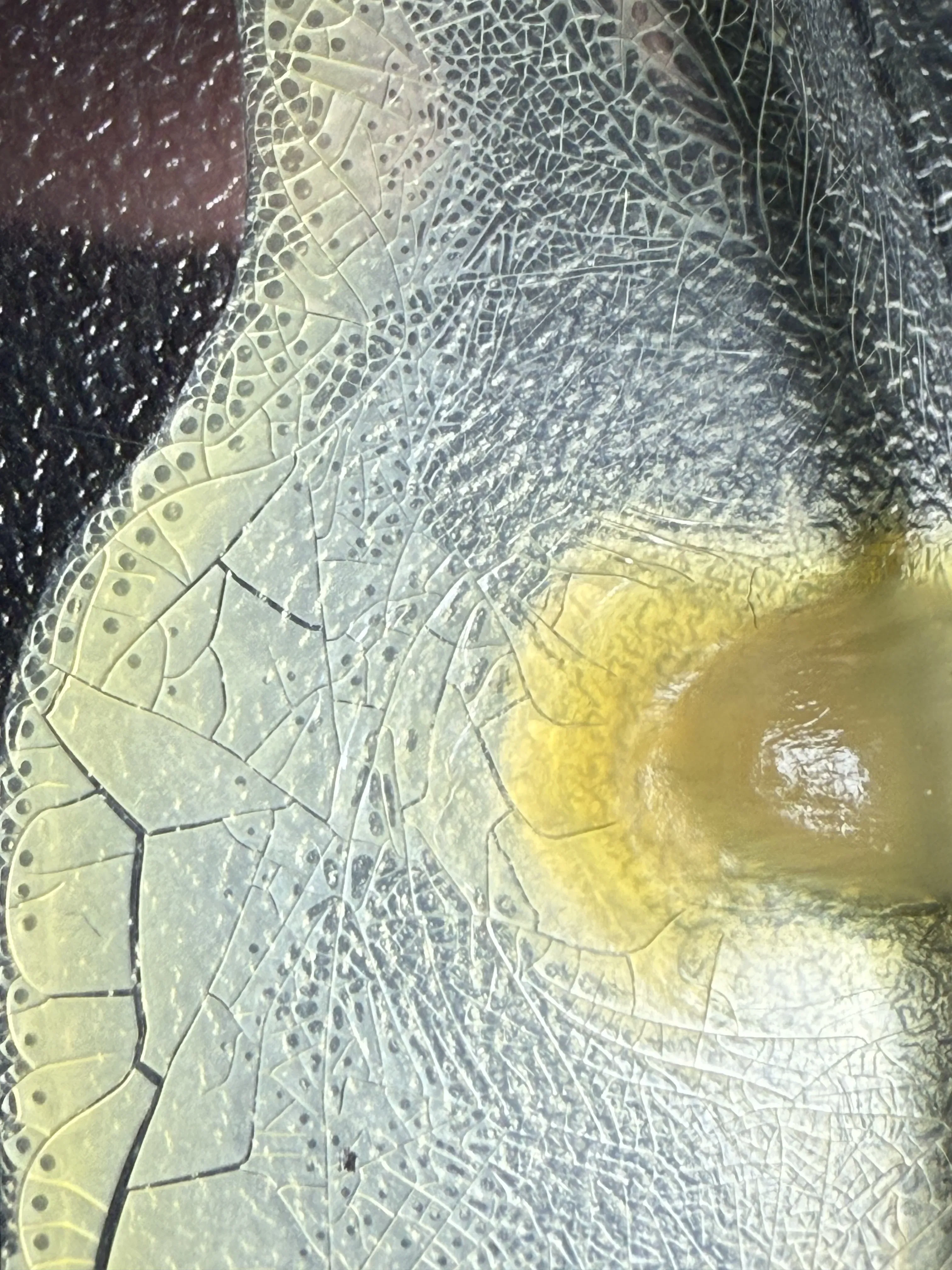
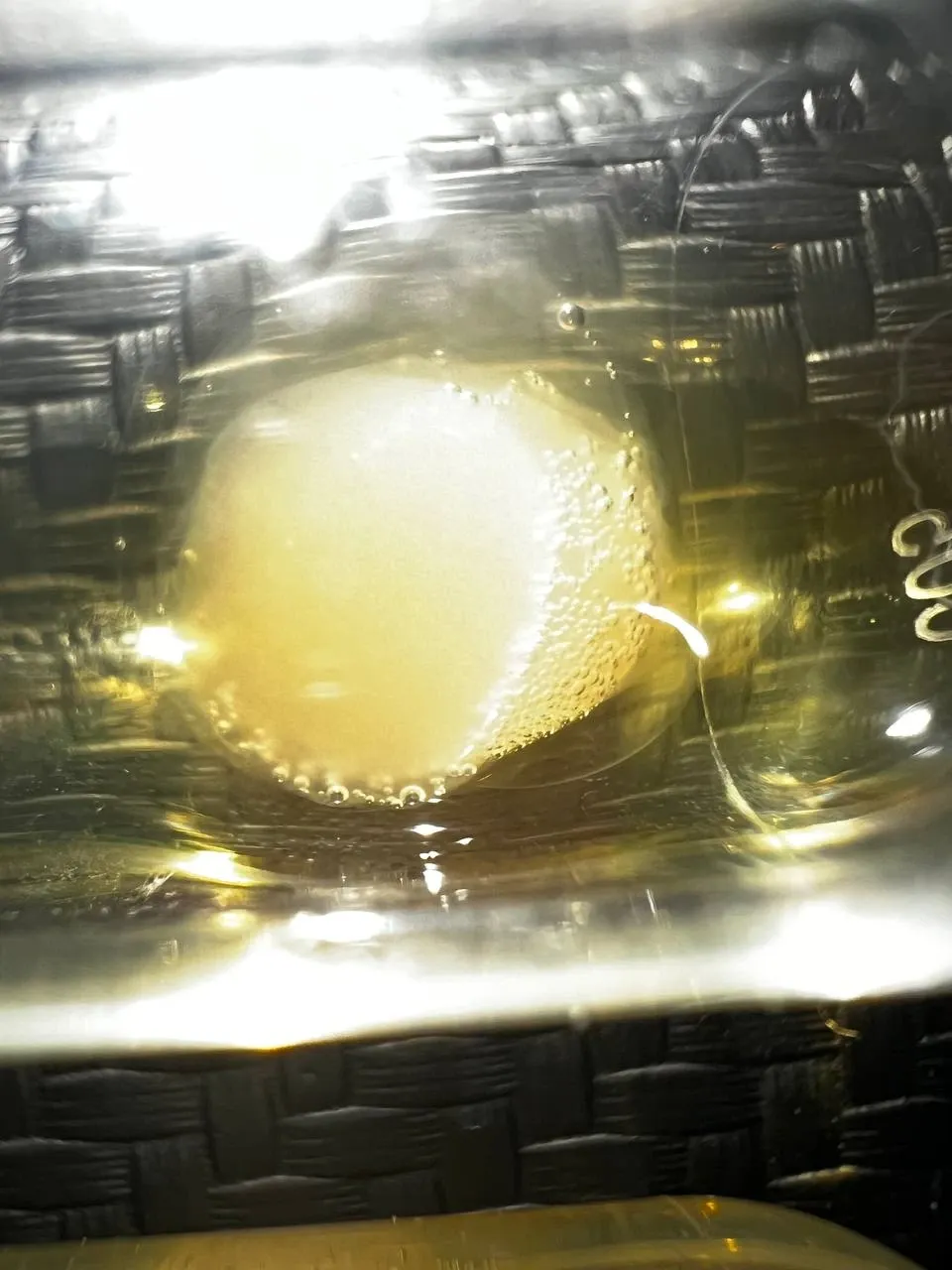
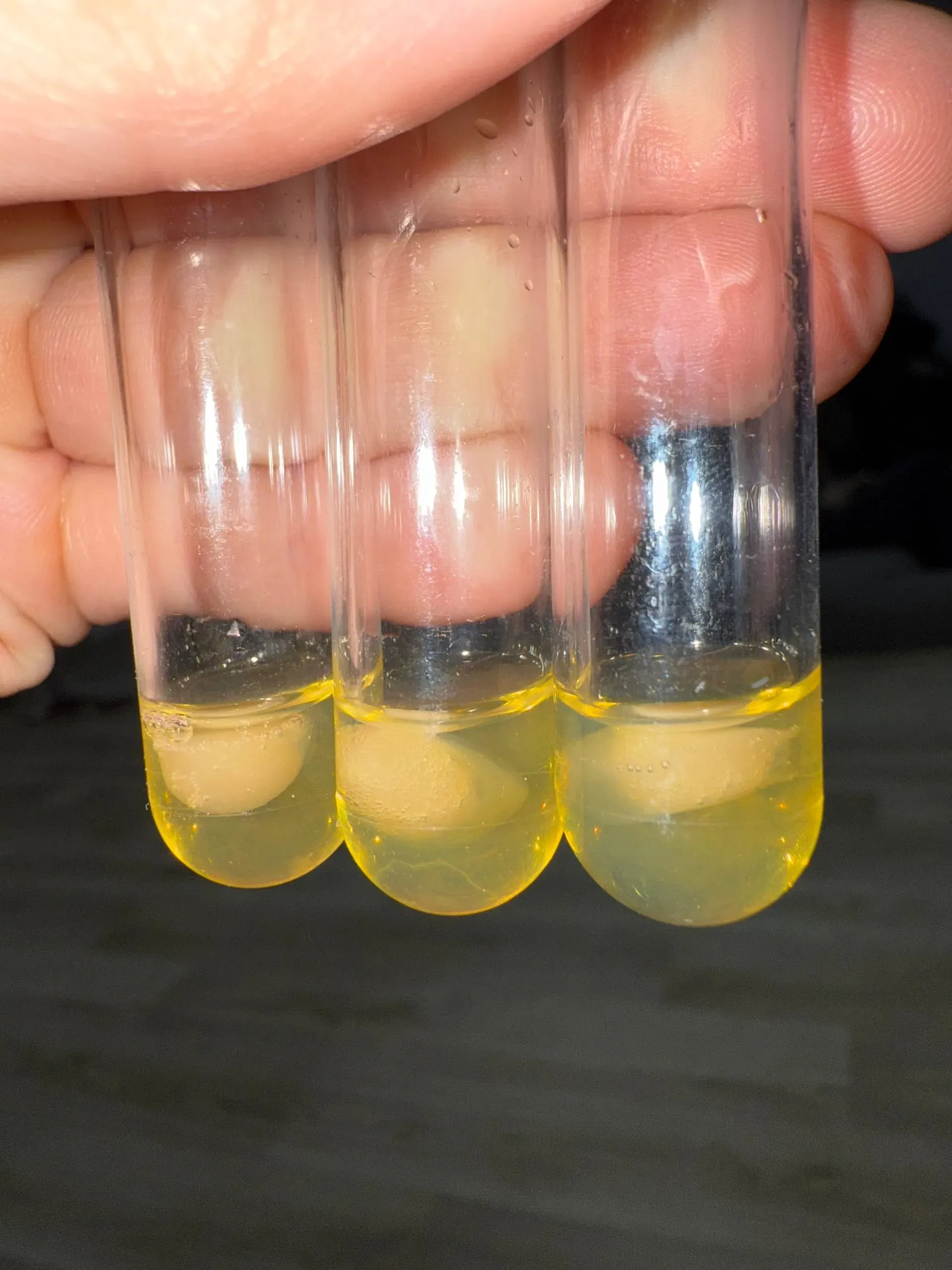
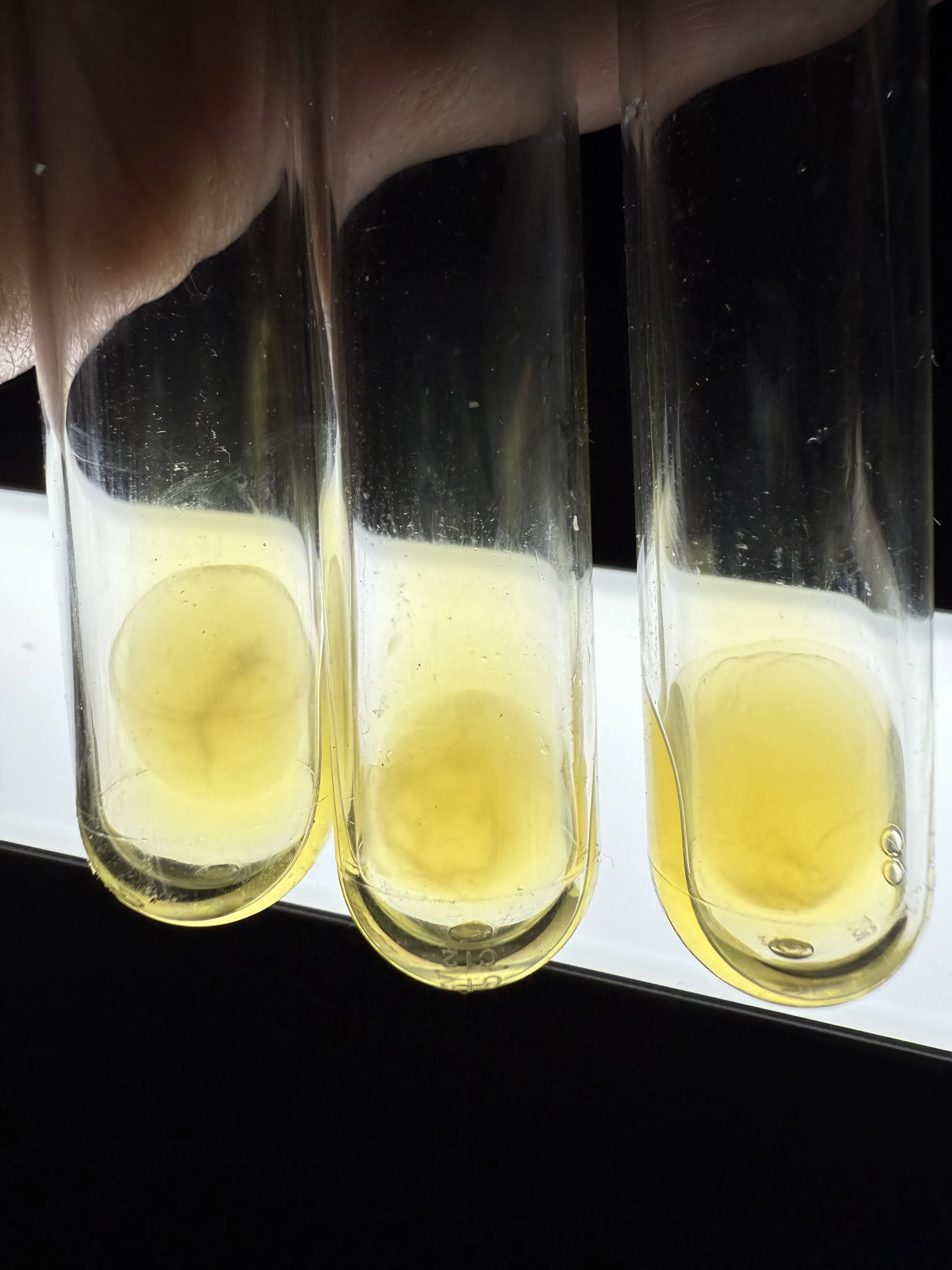
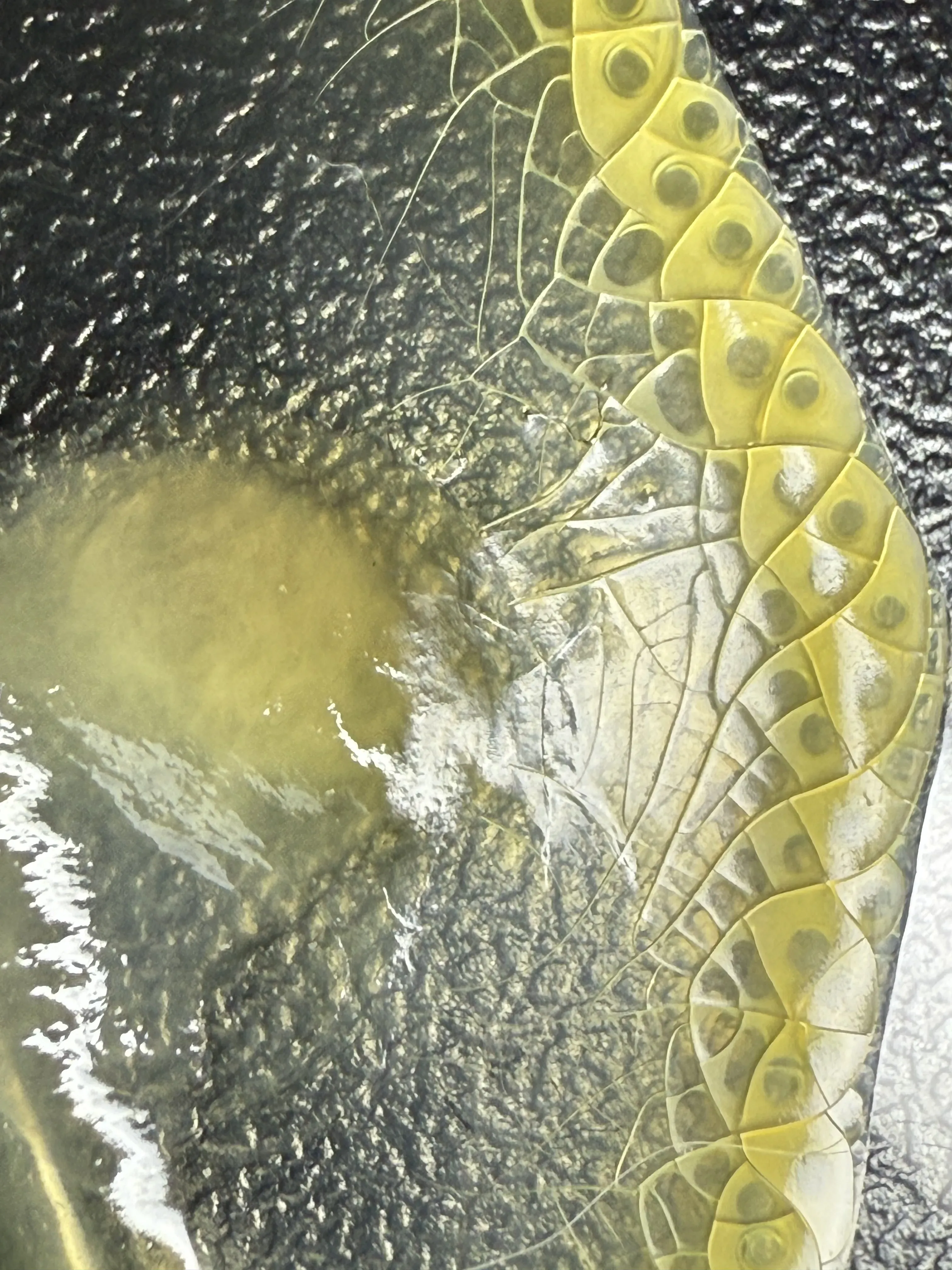
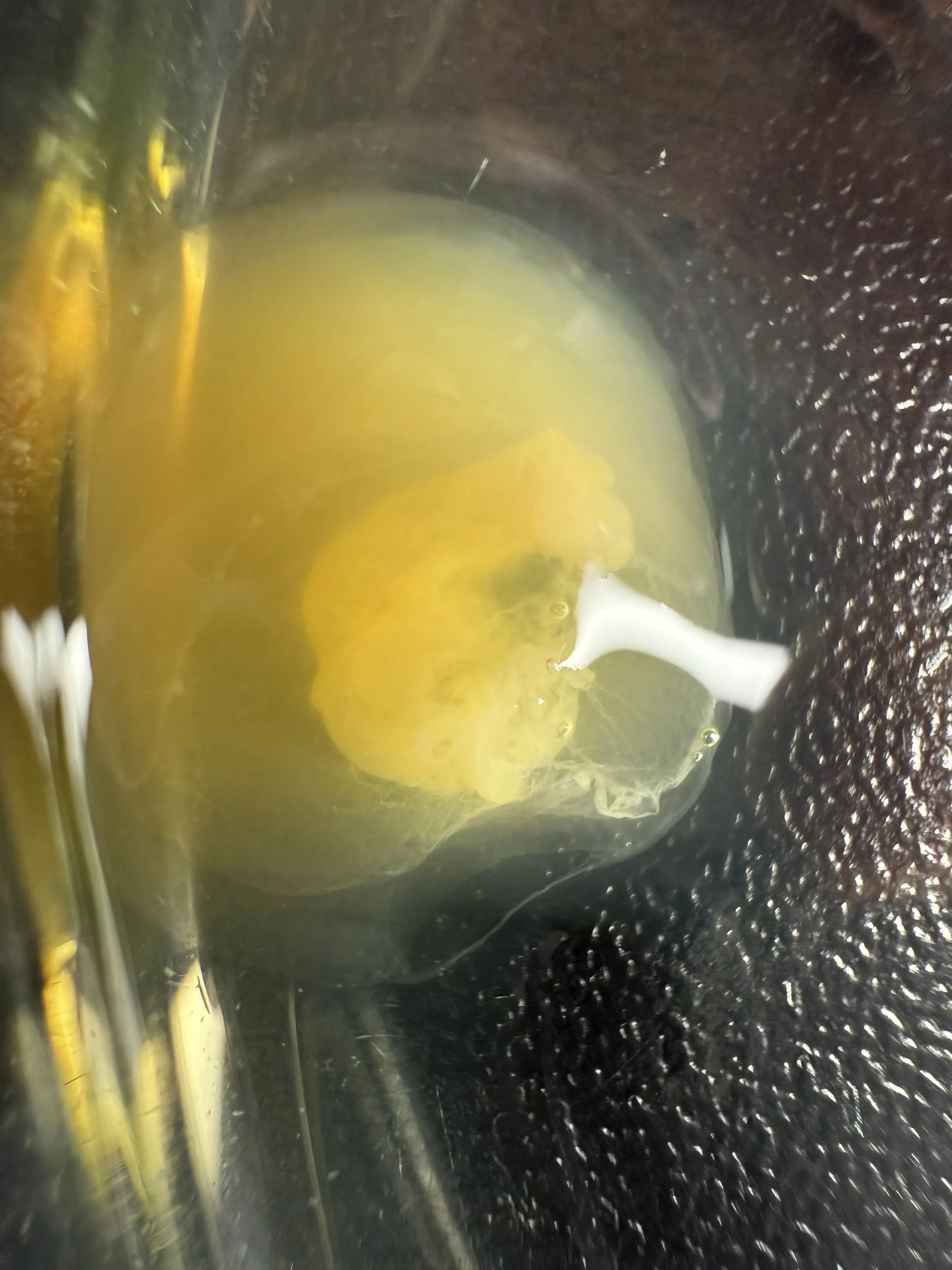
4K time-lapse photography results of blood plasma samples: test tubes, flasks, and microscopic images of the coagulation process.
Research Team
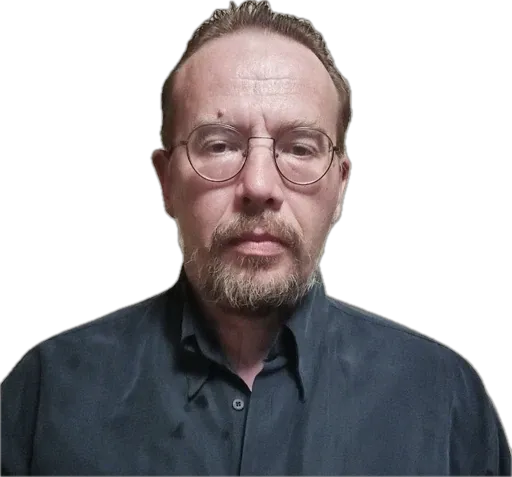
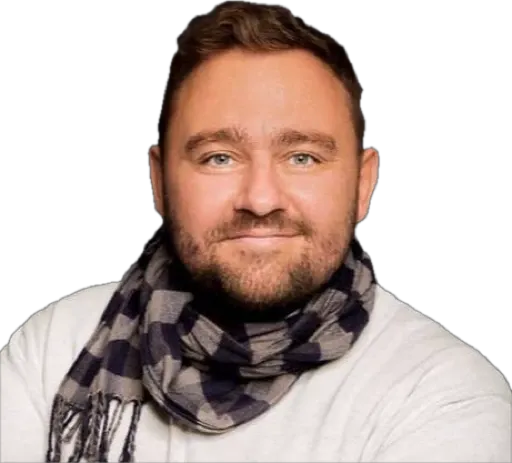
The study was conducted by an interdisciplinary team of specialists in biomedical engineering, AI, and field physics.



Contact our team
Send us a note to get the conversation started