DAAT Crystal Study
Investigating Crystal-Human Cognitive Interaction Through a Controlled Longitudinal Protocol
Who We Are?
The DAAT Crystal Study is conducted by ASRP LLP in Baikonur, Kazakhstan, with a six-person research team coordinated by Valeria Ovsyannikova. DAAT crystals are produced using proprietary hyperbolic field technology protected under the ASRP patent portfolio. The team combines expertise in neuroscience, experimental design, and biostatistics.Our Mission
Our mission is to explore whether crystal-body interaction can enhance human cognitive potential without pharmacological intervention. We seek to determine if the cardiac neuroendocrine center, when stimulated through controlled crystal exposure, can promote neurogenesis, neuroplasticity, and measurable improvements in cognitive flexibility. The study is preregistered on the Open Science Framework at osf.io/m9h6g.Project Goal
The goal is to produce measurable cognitive improvements — reduced mental noise, increased working memory capacity, sustained concentration, and enhanced cognitive flexibility — across 20+ participants in a rigorous 45-day longitudinal protocol. We aim to publish peer-reviewed results that advance scientific understanding of neuroendocrine-crystal interaction.Biomedical Fractal System Overview
A patented technology for informational management of biological processes based on reverse engineering of cells and hyperbolic field generators. Learn how HFS creates space-time structures in biological carriers to regulate cell division, metabolism, regeneration, and more.
Measurement Methods
Creativity Observation:
Description:
Each participant completes a 15-minute free drawing session daily throughout all three phases. Drawings are analyzed using AI-based image recognition to quantify changes in creative output over time. This yields approximately 60 drawings per participant, providing a robust dataset for detecting shifts in expressive complexity and creative fluency.

Spatial Perception:
Description:
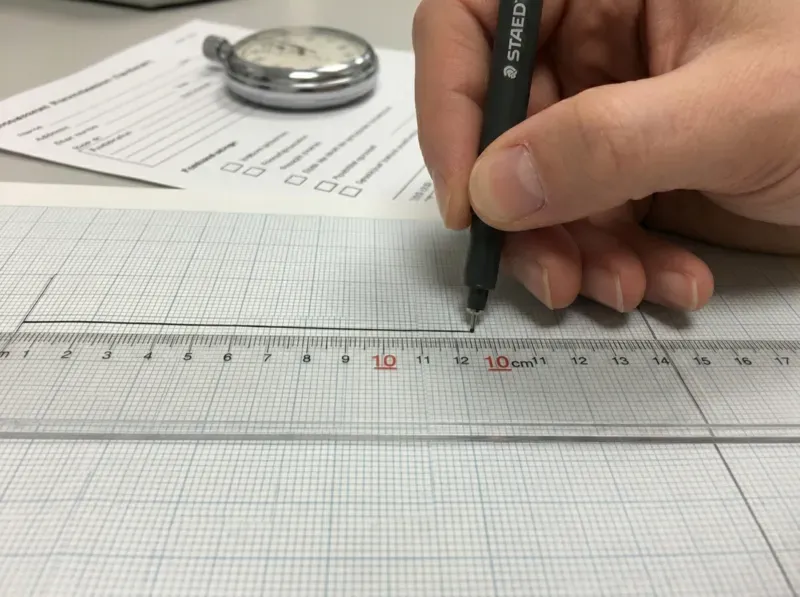
Participants estimate a 10-centimeter line segment without visual aids, testing proprioceptive spatial accuracy across all phases. The Subjective Minute Test is administered in parallel, scoring perceived time duration to assess anxiety and calm states. Together, these measures capture shifts in internal spatial and temporal processing.
Neurophysiology:
Description:
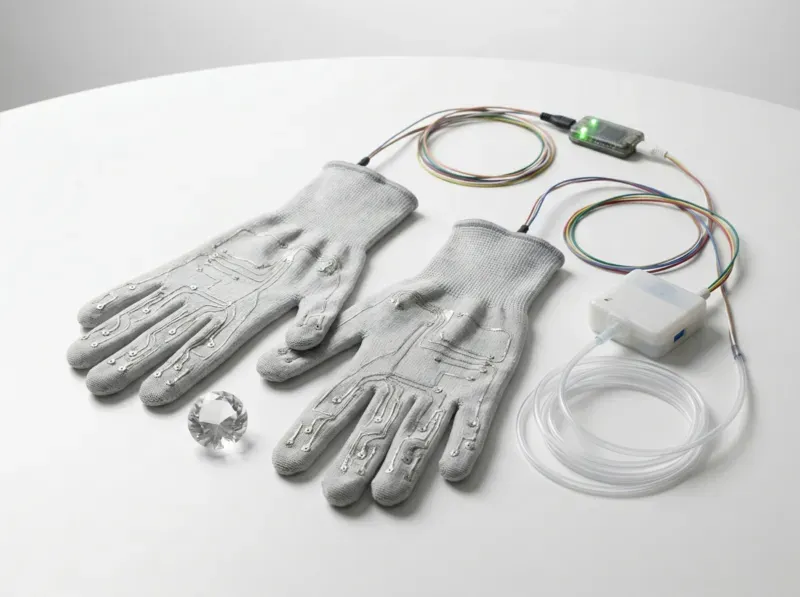
Electroencephalography (EEG) and galvanic skin response (GSR) are recorded via custom-designed sensor gloves integrated with the Inspira-X respiratory biofeedback device. This combined setup enables real-time monitoring of neural and autonomic activity during crystal exposure. The underlying technology is protected by patents KZ 2025/1095.1 and KZ 2025/0914.1.
Patent Portfolio
Fractal Biomedical System
Inspira-X
Biophotonic Neurodiagnostic
Technologies used in the DAAT study are protected by ASRP patents in biomedicine, neurodiagnostics, respiratory analysis, and cognitive systems.
OSF: osf.io/m9h6g — The study is registered on the Open Science Framework.
Related Research
The DAAT study is connected to other ASRP projects through shared hyperbolic field technologies and neurocognitive analysis methods.
Research Gallery
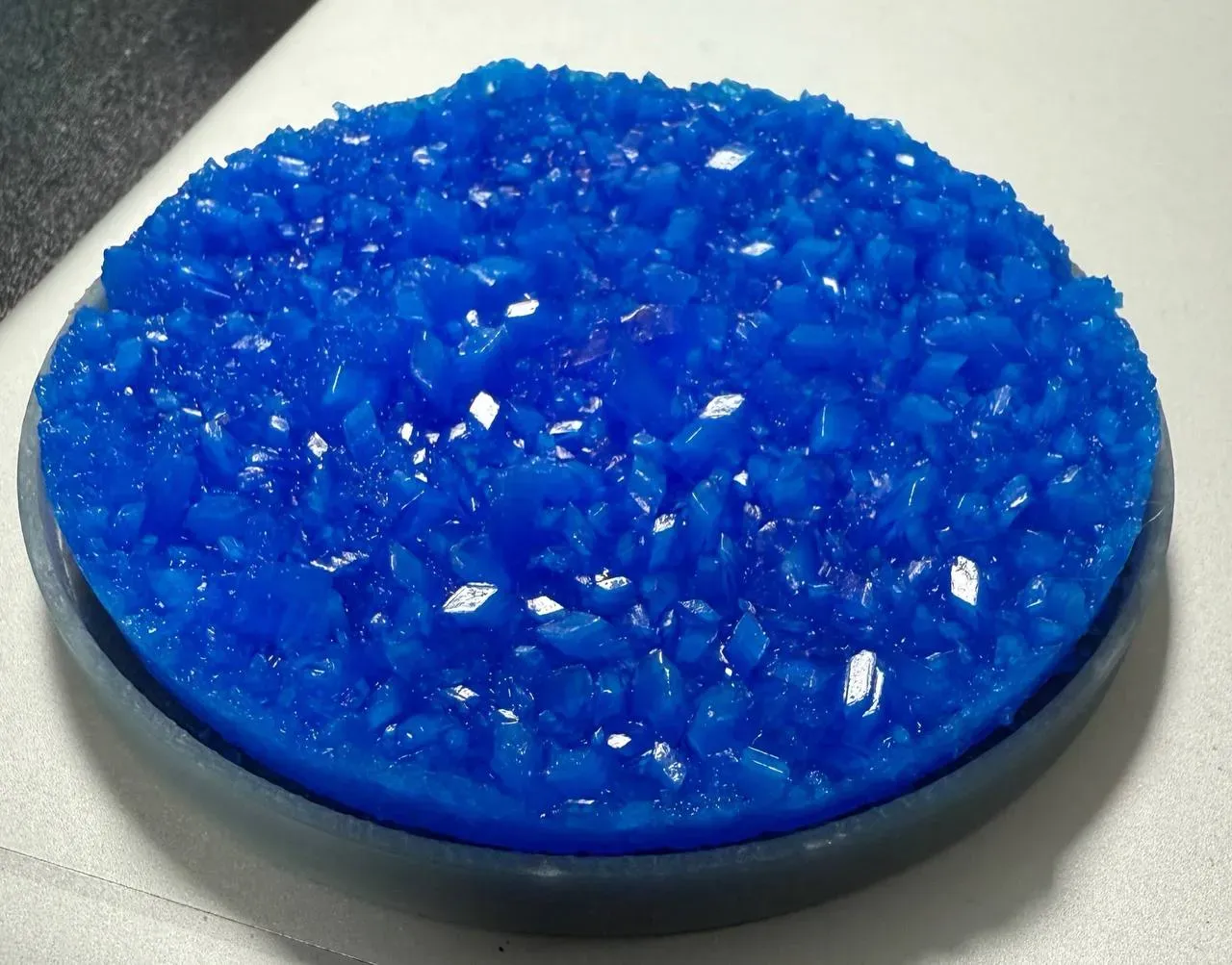
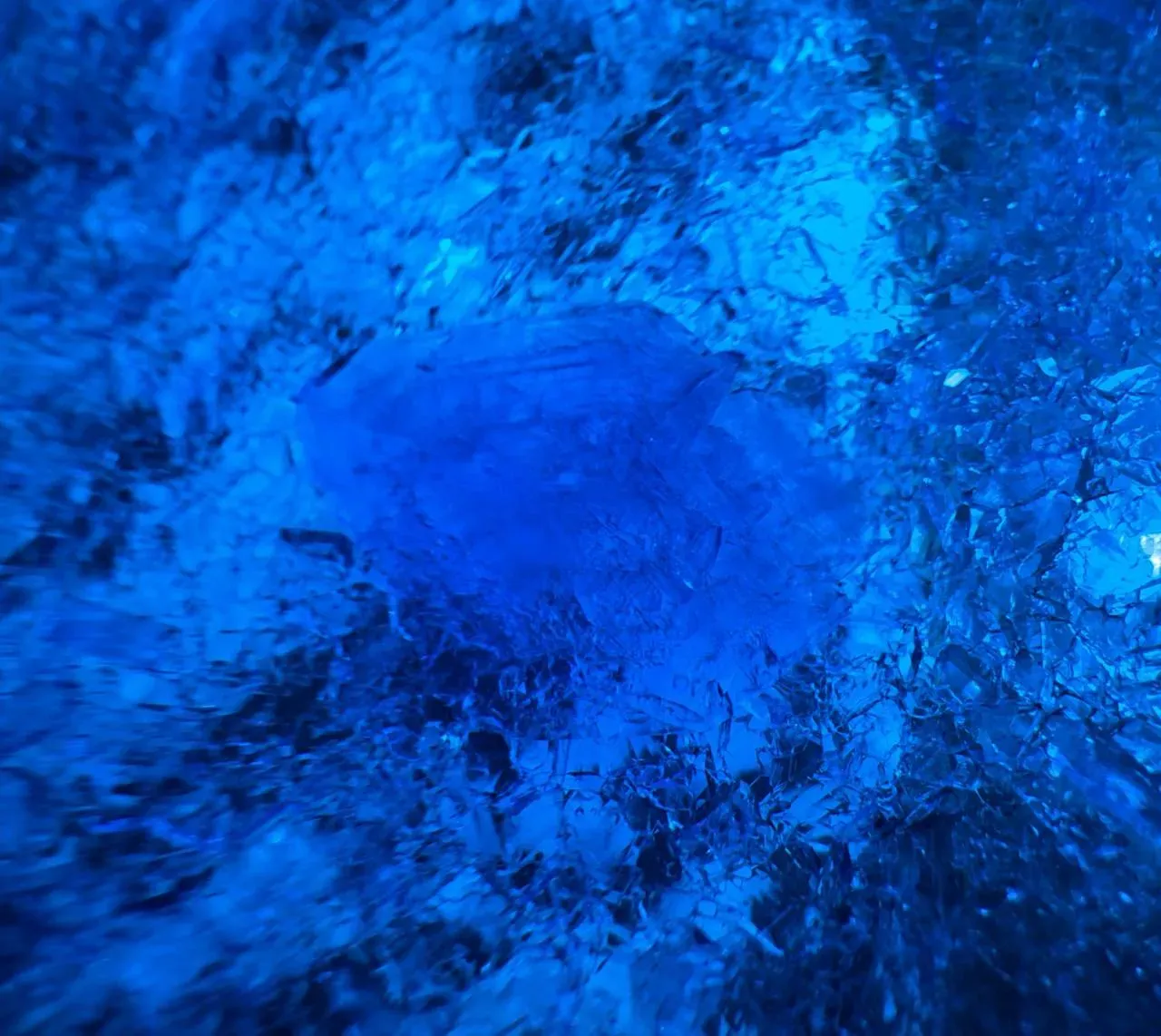
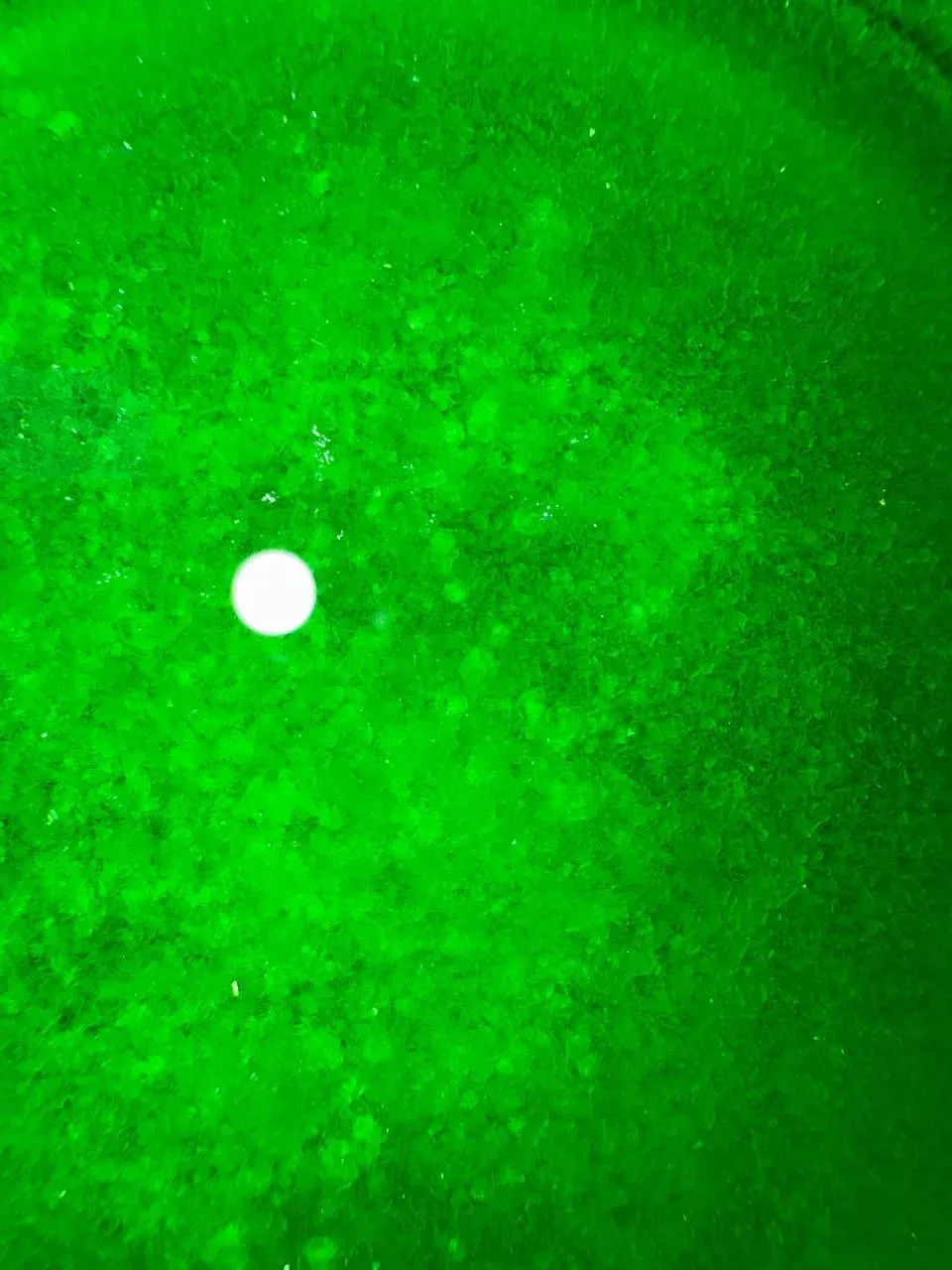
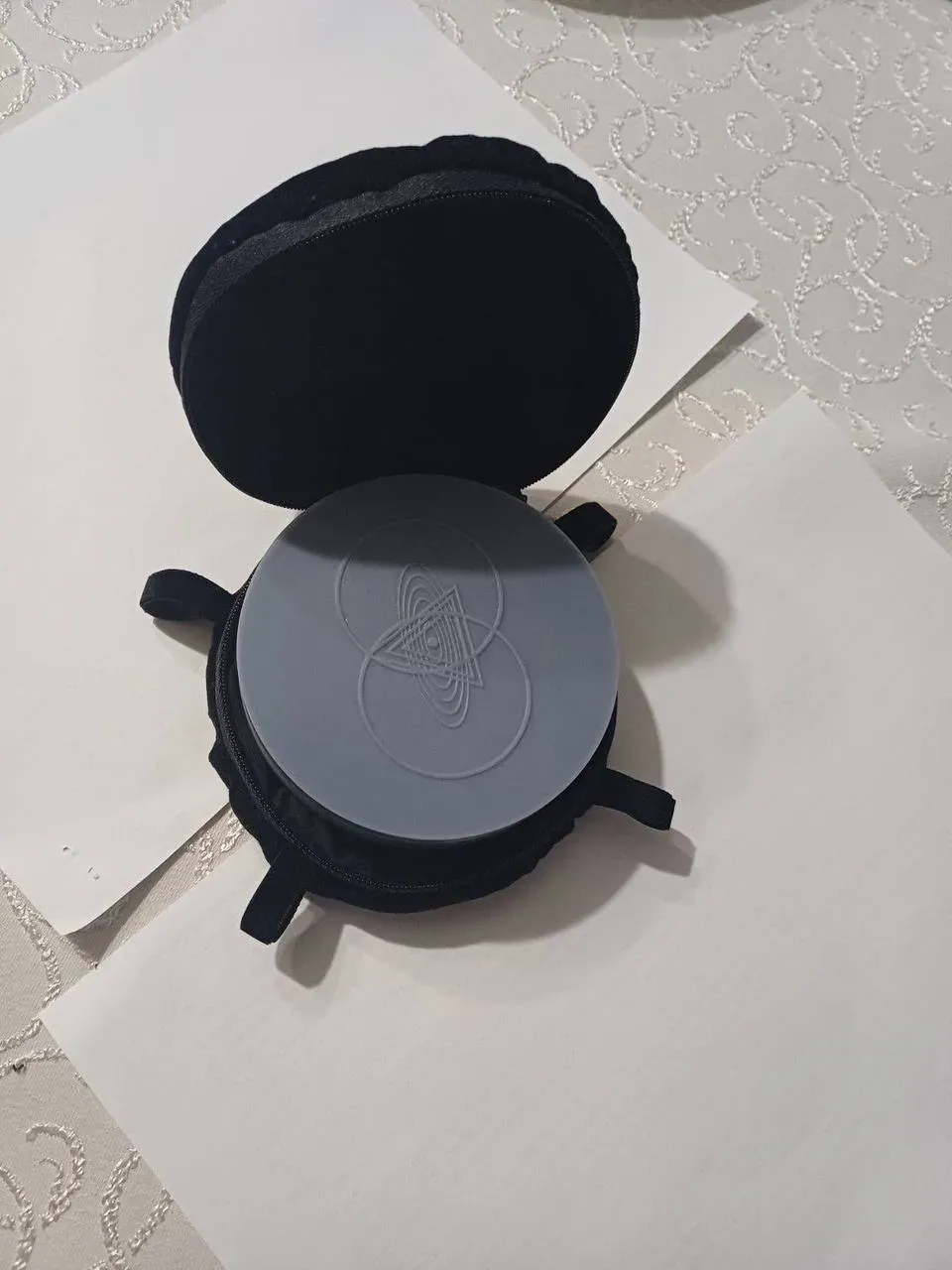
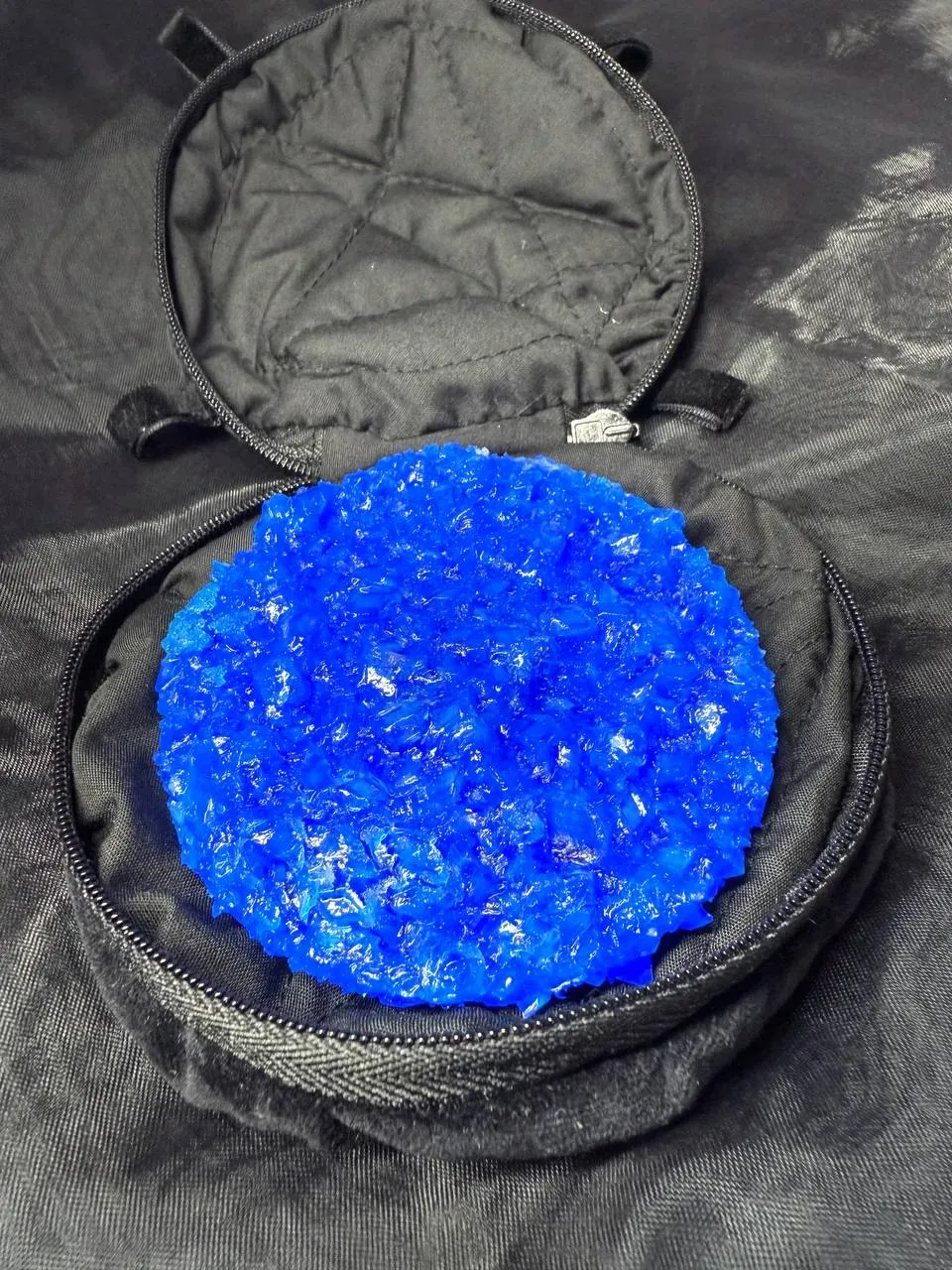
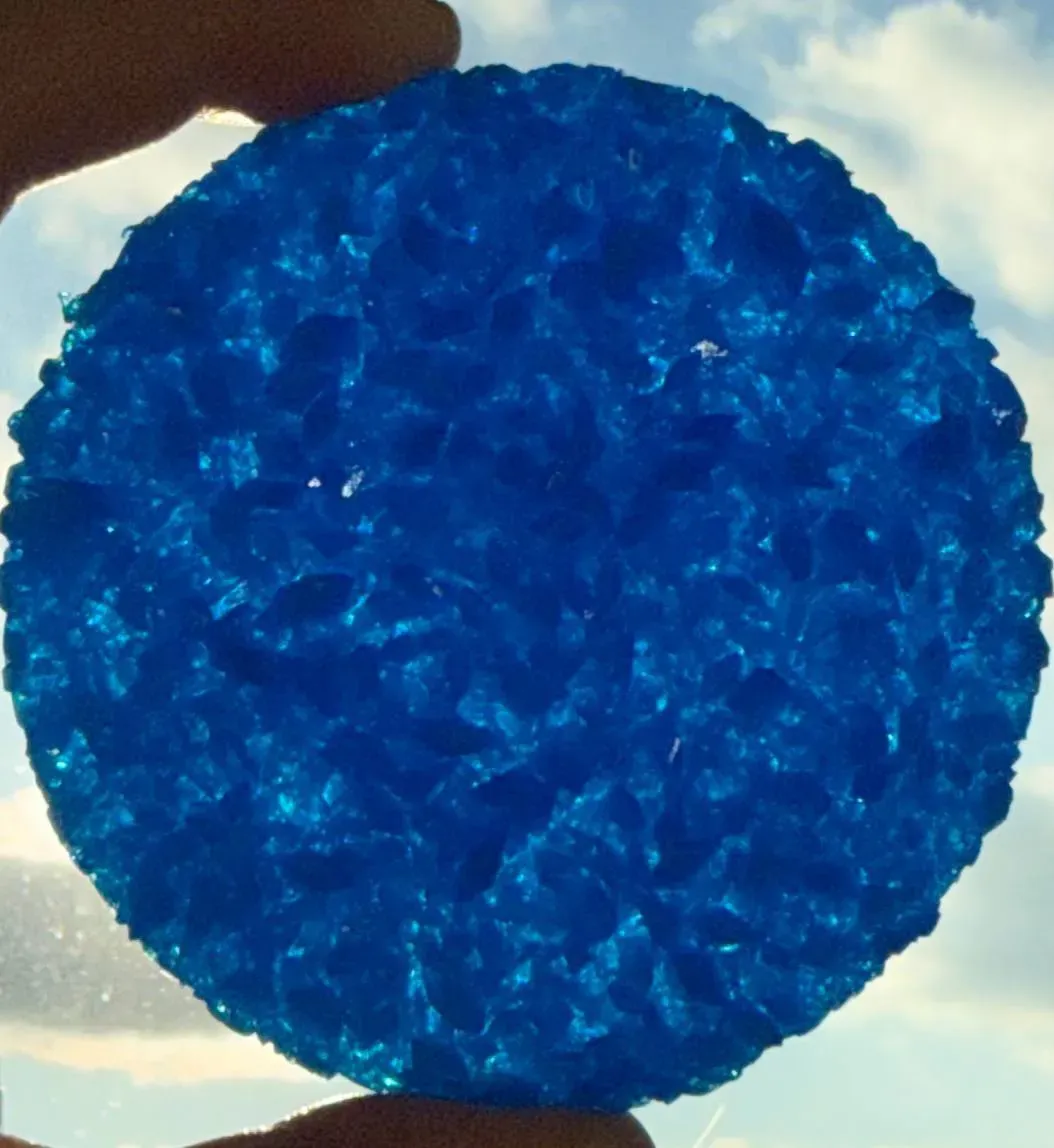
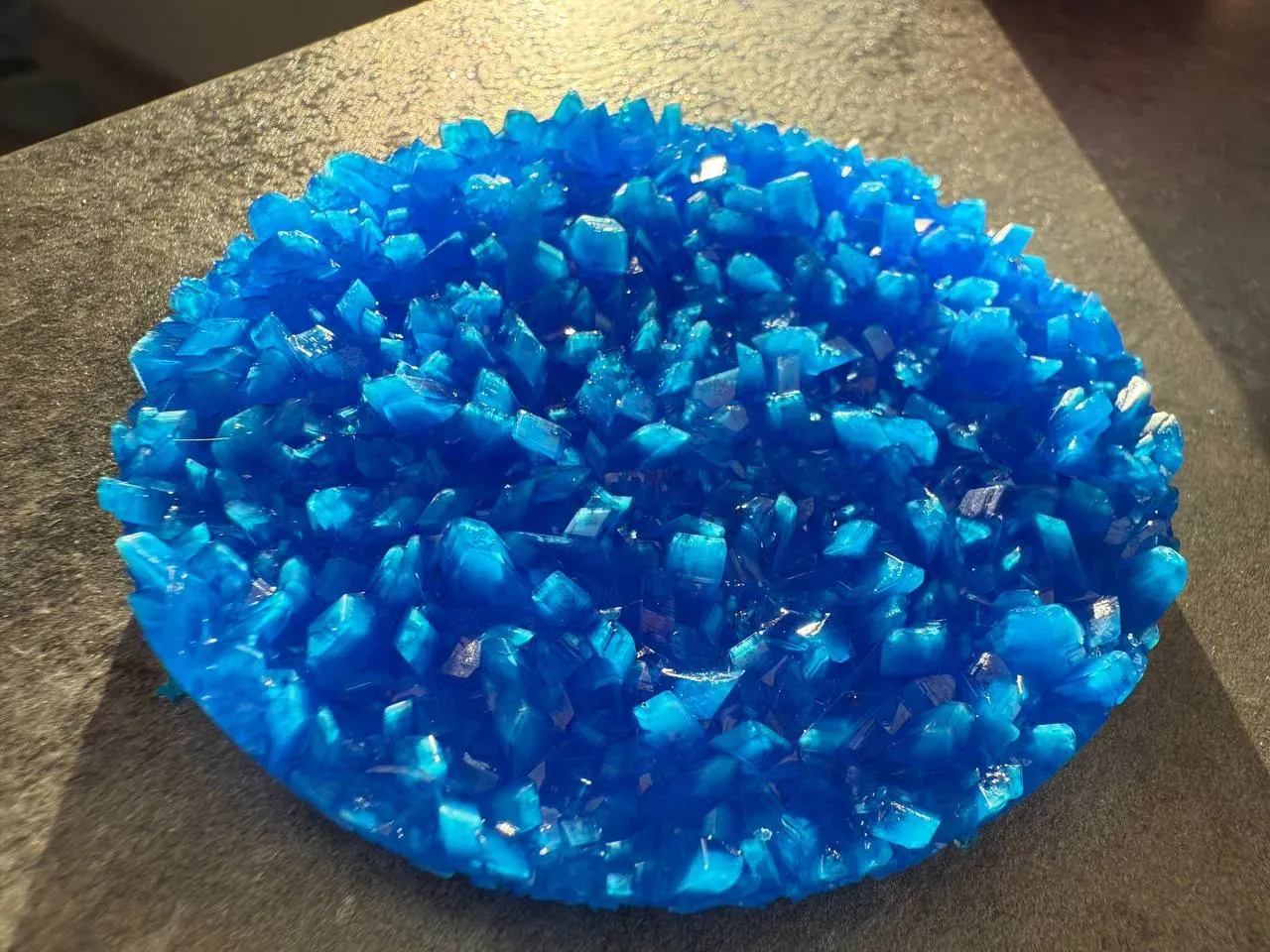
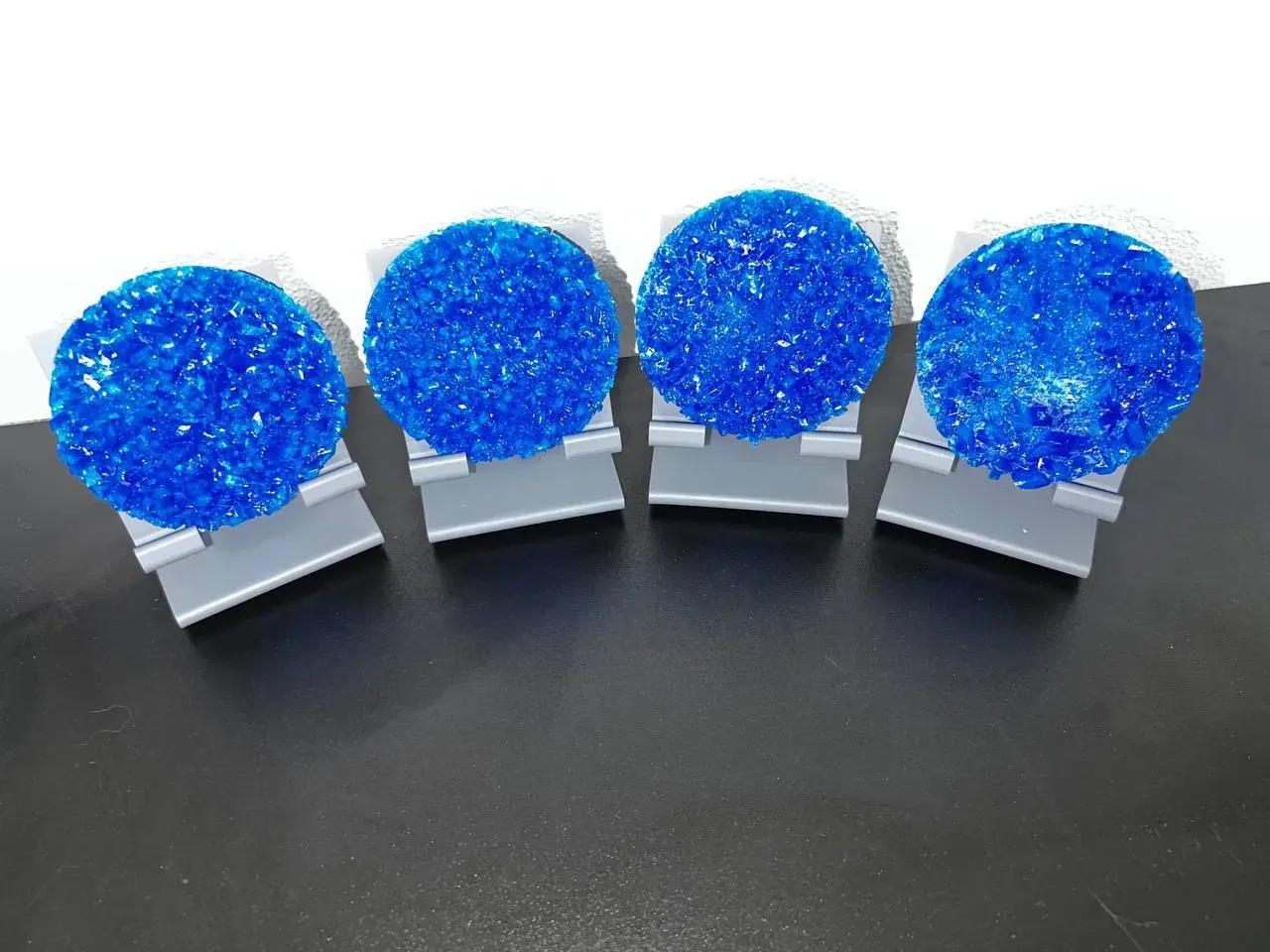
DAAT crystals, testing protocols, and materials from the crystal-human cognitive interaction study.
Research Team
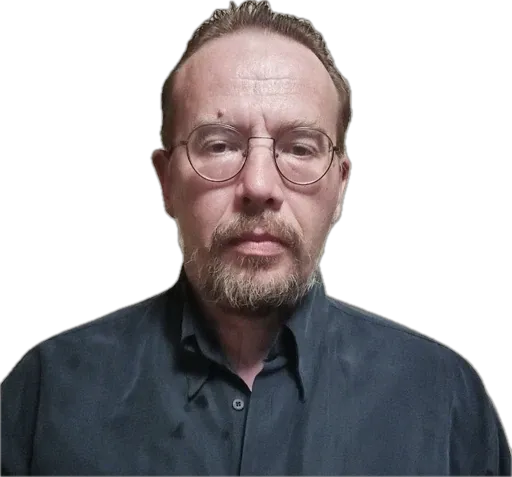
An interdisciplinary group of specialists in neuroscience, AI, biostatistics, and experimental design.




Contact our team
Send us a note to get the conversation started