UAP Reverse Engineering Study
Multi-pipeline materials analysis of unidentified aerial phenomenon fragments through independent cross-validated methodologies.
Our Mission
Our mission is to advance materials science through rigorous multi-method analysis of unknown material samples. By developing new analytical frameworks that combine AI classification, archival comparison, and structured perception protocols, we aim to set a new standard for characterizing materials of uncertain origin with scientific rigor and full reproducibility.Project Goal
The goal is to complete comprehensive characterization of all submitted fragments, publish findings through peer-reviewed channels, and establish a replicable multi-pipeline analysis methodology. Success means delivering cross-validated material profiles with anomaly detection across all three independent analytical pipelines.Who We Are?
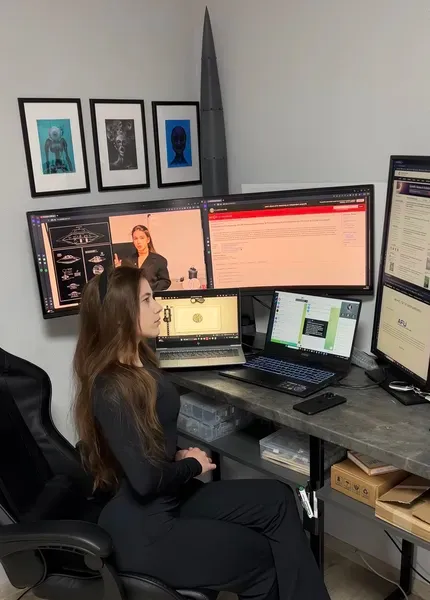
Element 115 & UAP: Device Architecture
In this video, Valeriia Ovsyannikova (Co-Founder & Chief Biomedical Engineer of ASRP) explores the hypothesis on the potential role of Moscovium (Element 115) in UAP technologies. The discussion covers its proposed operating principle as an energy source and gravity control mechanism — including directional gravitational field generation, inertia compensation, propellantless propulsion, and the concept of a stable isotope. This research is part of ASRP's global UAP technology reverse engineering project, conceptually aligned with programs like the Advanced Aerospace Threat Identification Program (AATIP). The material is exploratory in nature and focuses on analyzing physical principles that extend beyond the current scientific paradigm.Upcoming Events
Join our upcoming events to learn about the latest advances in science.Fourth Annual Noetic Sciences Research Prize to Explore UAP and Consciousness
Event members




The Institute of Noetic Sciences (IONS) announces the fourth annual Linda G. O'Bryant Noetic Sciences Research Prize. With a grant of $100,000, the 2026 award challenges researchers to investigate how UAP relate to our understanding of reality, perception, and the foundations of scientific knowledge. Letters of intent are due by July 22, 2026.

Analytical Pipelines
AI Visual & Material Analysis:
Description:
This pipeline deploys four neural architectures — ResNet50, ViT-B/16, EfficientNet-B4, and a custom Autoencoder — for structural pattern recognition and material classification. Samples are categorized across metallic, ceramic, polymeric, and exotic metamaterial taxonomies, with 3D surface reconstruction generating point clouds of up to one million points from multi-view imagery.
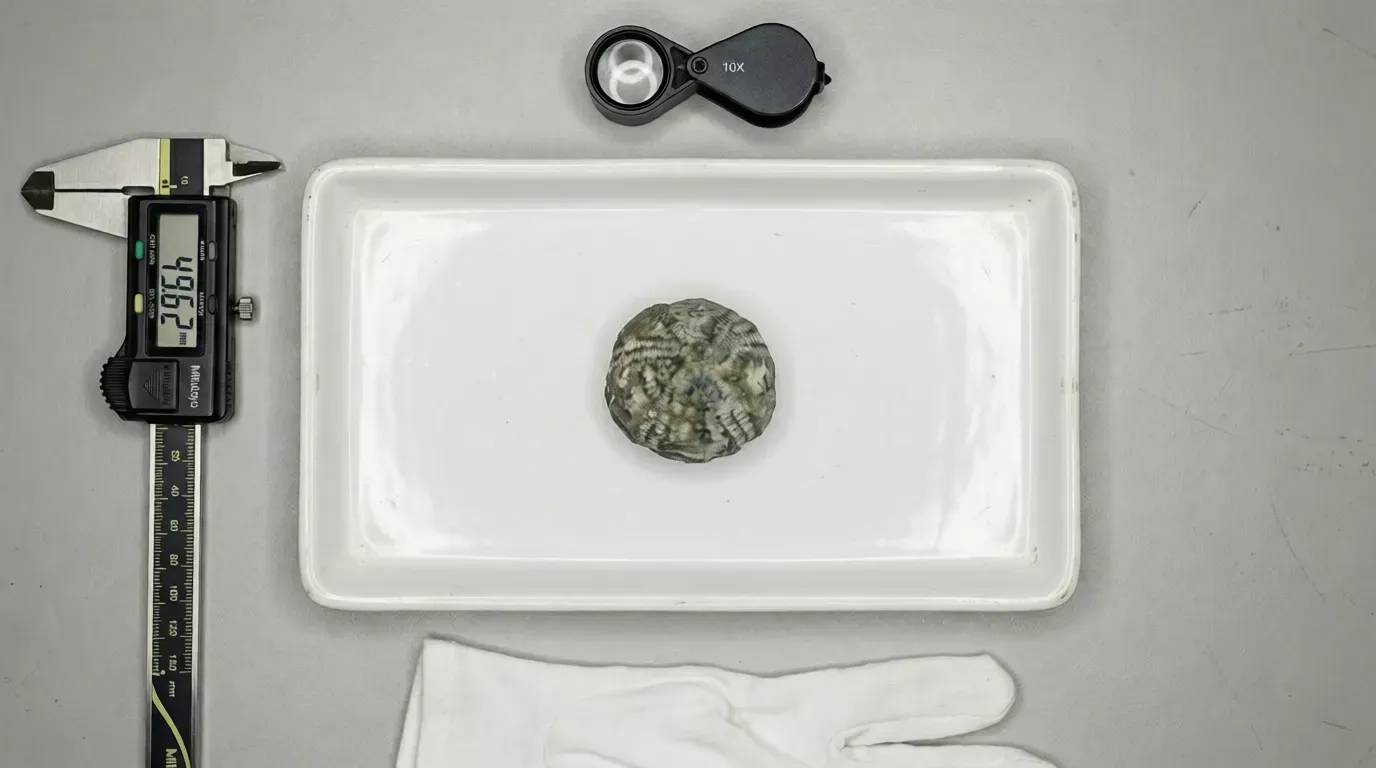
Archival & Comparative Analysis:
Description:
Fragment characteristics are systematically cross-referenced against established material databases and historical case records through pattern matching algorithms. This pipeline provides an independent empirical baseline that operates entirely without AI inference, ensuring that comparative conclusions rest on direct observational data.

Extended Cognitive Perception:
Description:
Controlled observer sessions graded L1 through L4 produce structured perception reports that are processed via semantic vector analysis for quantitative comparison. This methodology transforms subjective observations into measurable data and is connected to the broader ASRP patent portfolio.

Patent Portfolio
Fractal Biomedical System
ASRP.art
ASRP.drift
Global Forecasting System (GFS)
Technologies used in the UAP study are protected by ASRP patents in biomedicine, AI, cognitive sciences, and forecasting systems.
OSF: OSF preregistration is planned.

Related Research
The UAP study is connected to other ASRP projects through shared hyperbolic field technologies, AI analysis methods, and multi-pipeline protocols.

Research Team
An interdisciplinary group of specialists in reverse engineering, AI, materials science, and biomedicine.
Contact our team
Send us a note to get the conversation started